http://www.youtube.com/watch?v=FhkqN6KTtJI
Ce n’est certes pas par hasard que le Premier Ministre Tunisien (du gouvernement provisoire) s’est rendu en France pour rencontrer Nicolas Sarkozy quelques jours seulement avant le G8 de Deauville. Cela faisait partie des préparatifs du sommet dont l’une des décisions aura été l’octroie d’une aide de 14 milliards à la Tunisie et à l’Égypte pour financer le processus de transition dans lequel les deux pays sont engagés. Or, cette aide participe d’une politique internationale fondée sur le mécanisme de la « dette odieuse » qui a toujours soutenu, légitimé et renforcé les anciens régimes. Je suis donc contre cette aide à la Tunisie …
- Parce qu’il me semble qu’il y a là une contradiction insoutenable : le G8 ne veut pas changer sa politique à l’égard de ces deux pays et revoir la logique de la dette internationale, il ne peut donc aucunement être cohérent avec lui-même et soutenir le changement que leurs populations réclament ? . Le G8 n’a en effet jamais écouté les populations, il a toujours prêté oreille seulement aux régimes corrompus tant qu’ils servaient ses intérêts…
- Parce que tous les économes du monde entier le disent (et on le sait depuis Thomas Sankara qui en a payé le prix de sa vie) : la dette internationale est odieuse au sens où elle est un handicap majeur contre le développement des pays qui la perçoivent alors qu’elle est supposée les aider à progresser. C’est plutôt un investissement non équitable sous l’étiquette risible de l’aide au développement ; on prend par une main beaucoup plus que ce que l’on donne par l’autre..
- Parce qu’il est absurde de se montrer comme donateur au moment même où on demande à la Tunisie de payer une tranche de la dette contractée par l’ancien régime dont l’Occident maintenant se dissocie comme s’il na jamais été son complice ou qu’il ne l’a jamais soutenu tout en étant parfaitement à l’affut de sa corruption. Cette tranche s’élève à 411 millions de Dollars. Selon quel bon sens alors demanderait-on à un pays, dont l’économie est presque à genoux, de payer un tel montant alors qu’on estime par ailleurs qu’il a besoin d’une aide financière encore plus consistante pour pouvoir dépasser la période de transition qui le mènera vers une nouvelle ère de démocratie et de redressement économique.
- Parce que ceux qui négocient cette “aide”, en l’occurrence le premier ministre tunisien, n’est pas élu, n’est pas choisi suite à des élections démocratiques. Il est un reste de l’ancien régime avec lequel les “ forces démocratiques” les plus puissantes du monde, et donc les pays les plus riches de l’Occident, avaient pactisé pour qu’il spolie les richesses du peuple Tunisien.
- Parce qu’il est d’une contradiction absurde que de continuer à négocier avec un gouvernement qui pratique encore la censure de la presse, les arrestations des manifestants, qui refuse de traiter les dossiers de corruption impliquant les responsables de l’ancien régime, qui continue à réprimer les manifestations pacifiques par la violence à force de matraques et de bombes lacrymogènes,…
- Parce que l’Occident choisit encore la politique de l’autruche et préfère être sourd et aveugle. Il refuse encore d’écouter la voix du peuple tunisien, il ne veut pas encore être honnêtement conséquent ne serait-ce qu’avec ce que ces propres rapports secrets lui disent sur la situation réelle de ce peuple et préfère encore avoir affaire à une élite politique rien que pour qu’elle assure une forme d’ordre qui lui profite. Peu importe alors la jeunesse et ses aspirations. Peu importe le développement réel. Peu importe ce pourquoi des jeunes sont morts. Peu importe ce que la rue tunisienne dit au sujet de ce gouvernement provisoire l’accusant de trahir et sa confiance et ses aspirations révolutionnaires.
- Parce que ce qui compte au premier chef c’est d’arrêter le flux de l’émigration et de l’émigration clandestine. Ce qui compte c’est la cupidité des multinationales qui iront pomper continument et impunément l’argent des pauvres comme des sangs-sues.
- Parce la politique mondiale a les mains liées par le pouvoir des multinationales et des lobbys. Les gouvernements occidentaux ont des échéances électorales et doivent avant tout penser à se faire financer leurs compagnes. Parce qu’enfin de compte, chacun est condamné à nettoyer devant chez soi et ce qui compte d’abord ce sont les prochaines élections de chacun.
-Parce que ce qui compte c’est un pacte entre une politique internationale au service des multinationales des pays les plus puissants et une élite politique qui, soit volontairement, soit par corruption, soit encore par nécessité, contrainte à jouer le jeu du dispositif postcolonial et servir de simple outil pour le compte d’un ordre international nécessairement foireux et injuste.
- Parce qu’il est injuste que ce gouvernement français qui accueille le G8 veut encore jouer le rôle du protecteur de ce peuple tunisien. Ce même gouvernement a été surpris il n’y a pas longtemps en flagrant délit de donner un nième coup de poignard dans le dos des tunisiens en soutenant logistiquement le régime policier à réprimer les manifestants dont plusieurs perdaient la vie dans les rues tunisiennes. Et on croit réparer ce tort en paraissant dans le rôle de celui qui défend la cause de ces mêmes tunisiens auprès des créanciers qui, pire encore, ne cherchent en fait qu’à enfoncer ce pays davantage dans une dette dont il ne pourra jamais s’acquitter.
- Parce que la tutelle, on le sait depuis le protectorat de 1881[1] qui légalisait la colonisation, n’a jamais servi sinon le tuteur lui-même. Même avec l’ancien régime, le soutien était faussement hypocrite parce qu’il ne s’est jamais appuyé sur des volontés d’aide réelles mais sur des petits intérêts communs, et même de petits calculs pas trop catholiques : les élites du Sud s’enrichissaient sur le dos de leurs populations, celles du Nord sur le dos de tous le monde. Les premières sont finalement réduites au statut de petits vilains voleurs cachant les liasses de devise dans les tiroirs secrets des bibliothèques dont ils ne lisaient probablement pas les livres ; les autres se présentant faussement comme les bienfaiteurs des peuples défavorisés et les soutenants dans leurs soulèvements.
Mais je suis contre cette aide internationale à la Tunisie surtout parce qu’il ne me parait pas aussi évident que la Tunisie ait besoin, le moins que l’on puisse dire, d’une aide qui plus est si malintentionnée :
- Parce qu’une simple opération de calcul montre à quel point elle est ignoble, cette aide. Le G8 décide, «soit-disant généreusement” de débloquer 14 milliards pour la Tunisie et l’Egypte. Or, les biens des deux dictateurs déchus, Ben Ali et Moubarak et leurs familles, se trouvant pour l’essentiel en Europe, s’élèveraient à 50 milliards pour le premier et 70 pour le second. Un élève de l’école de base n’aura pas a réfléchir deux fois pour dire sans et hésitation que le compte n’y est pas.
- Parce qu’avec les 411 millions que la Tunisie est tenue de rembourser (chaque semestre s’il vous plait) à ces créanciers, qui sont essentiellement la Banque Mondiale, le Fonds Monétaire International et la Banque Européenne, le peuple tunisien pourra facilement redresser son économie au bout de deux ou trois années pas plus. Ce n’est qu’un petit pays de 11 millions d’habitants à peine.
- Parce que malgré cette dette injuste et malgré l’hémorragie économique et financière qui était due à la corruption de son élite politique, la Tunisie parvenait à un taux de développement autour de 5/6% par ans[2]. Imaginons un moment qu’après la révolution, ces deux fardeaux n’existent plus. Ce taux va tout simplement tripler. Je ne suis certes pas un économiste mais l’opération de calcul est encore une fois d’une évidence aveuglante.
________________________________________
[1] Date du début du protectorat français sur la Tunisie.
[2] Presque le même taux que celui du Brésil ou de l’Inde.
Saturday, 28 May 2011


Thursday, 26 May 2011
„Der Sicherheitssektor frisst sich selber auf“ Interview mit Hassouna Mansouri

Der tunesische Filmkritiker und Autor des Buches „L’image confisquée“ (2010) Hassouna Mansouri spricht in diesem Interview vom 19. Februar mit AfricAvenir in Berlin darüber, wie das tunesische Kino die „Jasmin Revolution“ vorhergesehen hatte und präsentiert dabei seine persönliche Sicht auf die Ursachen und Folgen der aktuellen Entwicklungen in Tunesien und der arabischen Welt.
http://www.africavenir.org/de/news-archiv/newsdetails/browse/weiter/datum/2011/03/04/le-systeme-securitaire-se-mange-lui-meme-interview-avec-le-critique-de-cinema-hassouna-mansouri.html?tx_ttnews%5BbackPid%5D=12&cHash=99fb2b5262b95f3221523dd10f11ae9b
Saturday, 21 May 2011
Mama Africa, the paradox of the african absence
The 64th Cannes film festival is presenting two films from a Nordic country referring to Africa. Or, it is quite evidence that tow subjects can be directly connected to our continent: illegal emigration and Music.
The first film is the tragedy of our young peoples dreaming of a better life. The second is about the legendary singers and musicians who served as a standard bearer of our continent.
When the north looks to the South
That’s what the two brothers filmmakers from Finland, Aki and Mika Kaurismaki, chose to talk about. One is questioning the present; the other is trying to resuscitate the past.
The first imagines a fiction where an underage African immigrant meets a French writer in the Havre, a city in the north of France. Together, they rise against “the cold wall of human indifference” and against the “blind machinery of the Western constitutionally governed state”.
This is the story of The Havre, the finish film in the competition made the older brother Aki Kayrismaki.
As for the younger, he chose to trace the life of Miriam Makeba who was so associated to the continent that she was called Mama Africa, and this is simply the title of the documentary.
"Mama Africa" is the homage to this extraordinary and impressive artist who incarnates the voice and the hope of Africa, writes the filmmaker.
In fact everybody knows the talent and the hard fight of this woman who, in her exile, went around the world spreading wherever she performed, the deep voice of her motherland and mother continent.
When she was not on the stage, she was reading letters to the United Nations claiming her people’s rights to live free and equal.
Since 1959 she was banned from South Africa after her participation in an anti-apartheid film Come back, Africa shot secretly in her country and was a big success in Venice the same year.
When in the 1990’s Nelson Mandela, was freed and the apartheid came to its end, she went back after having received all kind of honors from all over the world and even the French nationalitie. But she went back home after more than 30 years of exile.
Your story is never better than when you tell it yourself.
It happens that the northern filmmakers are interested into Africa. But it is not sure that a lot of finish ones did. It is not bad, but…
One should admit that it is paradoxical that there is none African film in the competition but there is well place for films about Africa made by European filmmakers.
If we can understand that, in a fiction, a filmmaker is free to imagine an African character, there are few things that we can’t forgive to a documentary about an icon of our countinent like Miriam Zensi Makeba.
The filmmaker, Even if he could manage to access to a lot of archive material, seems not to know few important things about Mama Africa.
He forgets for example that she was the first black woman to win (with Harry Belafonte) a Grammy Award in 1965. It was for their album An evening with Harry Belafonte and Miriam Makeba.
He forgets also the fact that she sang also in Arabic when she was invited in a black-South African delegation to the Pan African Festival in Algiers in 1969. That’s how he doesn’t mention that she got also the Algerian citizenship from Hawari Boumedien after the Guinean nationality offered by Sekou Toure.
Doing this the documentary omits an important aspect of the fight of the Diva: she was calling for the peace in her country, but also for the unity of the whole continent.
But you need to be African to understand how important this is. But still in Cannes it is as if she is around and this is really something.
See also : Nationa Media Group
http://www.africareview.com/Arts+and+Culture/Miriam+Makeba+reappears+in+Cannes/-/979194/1164986/-/kuhm3pz/-/index.html
The first film is the tragedy of our young peoples dreaming of a better life. The second is about the legendary singers and musicians who served as a standard bearer of our continent.
When the north looks to the South
That’s what the two brothers filmmakers from Finland, Aki and Mika Kaurismaki, chose to talk about. One is questioning the present; the other is trying to resuscitate the past.
The first imagines a fiction where an underage African immigrant meets a French writer in the Havre, a city in the north of France. Together, they rise against “the cold wall of human indifference” and against the “blind machinery of the Western constitutionally governed state”.
This is the story of The Havre, the finish film in the competition made the older brother Aki Kayrismaki.
As for the younger, he chose to trace the life of Miriam Makeba who was so associated to the continent that she was called Mama Africa, and this is simply the title of the documentary.
"Mama Africa" is the homage to this extraordinary and impressive artist who incarnates the voice and the hope of Africa, writes the filmmaker.
In fact everybody knows the talent and the hard fight of this woman who, in her exile, went around the world spreading wherever she performed, the deep voice of her motherland and mother continent.
When she was not on the stage, she was reading letters to the United Nations claiming her people’s rights to live free and equal.
Since 1959 she was banned from South Africa after her participation in an anti-apartheid film Come back, Africa shot secretly in her country and was a big success in Venice the same year.
When in the 1990’s Nelson Mandela, was freed and the apartheid came to its end, she went back after having received all kind of honors from all over the world and even the French nationalitie. But she went back home after more than 30 years of exile.
Your story is never better than when you tell it yourself.
It happens that the northern filmmakers are interested into Africa. But it is not sure that a lot of finish ones did. It is not bad, but…
One should admit that it is paradoxical that there is none African film in the competition but there is well place for films about Africa made by European filmmakers.
If we can understand that, in a fiction, a filmmaker is free to imagine an African character, there are few things that we can’t forgive to a documentary about an icon of our countinent like Miriam Zensi Makeba.
The filmmaker, Even if he could manage to access to a lot of archive material, seems not to know few important things about Mama Africa.
He forgets for example that she was the first black woman to win (with Harry Belafonte) a Grammy Award in 1965. It was for their album An evening with Harry Belafonte and Miriam Makeba.
He forgets also the fact that she sang also in Arabic when she was invited in a black-South African delegation to the Pan African Festival in Algiers in 1969. That’s how he doesn’t mention that she got also the Algerian citizenship from Hawari Boumedien after the Guinean nationality offered by Sekou Toure.
Doing this the documentary omits an important aspect of the fight of the Diva: she was calling for the peace in her country, but also for the unity of the whole continent.
But you need to be African to understand how important this is. But still in Cannes it is as if she is around and this is really something.
See also : Nationa Media Group
http://www.africareview.com/Arts+and+Culture/Miriam+Makeba+reappears+in+Cannes/-/979194/1164986/-/kuhm3pz/-/index.html
Wednesday, 18 May 2011
From the South: Death Threat in Tunis, medal in Cannes
From the South: Death Threat in Tunis, medal in Cannes
http://www.africareview.com/Arts+and+Culture/Death+threats+in+Tunis+a+medal+in+Cannes/-/979194/1163356/-/kifgc9/-/index.html
http://www.africareview.com/Arts+and+Culture/Death+threats+in+Tunis+a+medal+in+Cannes/-/979194/1163356/-/kifgc9/-/index.html
Tuesday, 17 May 2011
Le cinéma bat la politique

Impossible mais vrai. Jafar Panahi et Mohammad Rasoulof, choses inimaginable il y a quelques semaines, participent au festival de Cannes qui se tient du 11-22 mai 2011.
Cette présence et extraordinairement exceptionnelle après des efforts réguliers de tous les grands festival pour les soutenir et réclamer leur liberté, ne sont pas libérés mais ils sont libres. Les deux cinéastes proposent au Festival de Cannes deux films qu’ils ont pu réaliser malgré la situation kafkaïenne dans laquelle ils se trouvent : un jugement de six ans de prison ferme et vingt ans d’interdiction de toute activités professionnelles ni de contact avec les media.
D’aucun seraient tentés de s’interroger sur la manière dont les deux films sont parvenus au festival. Le plus important reste la volonté des deux cinéastes de continuer à en faire parce qu’ils savent que c’est leur raison d’être. Comment ont-ils pu tourner les films et les produire afin qu’ils soient présents à Cannes ? c’est le sens d’une volonté de fer d’une part et c’est le signe qu’ils ne sont pas seules et que certainement des collègues les ont rejoint d’une part. Mais de toute façon il faut surtout penser s’ils ont vraiment le choix.
Quelle que soit la situation, et quels que soient les éléments impliqués dans cette affaire, il reste qu’il y a un bras de fer historique entre deux volontés aussi fortes l’une que l’autre. D’une part nous avons une machine de répression et un Etat théocratique aveugle dont l’art est l’ennemi à abattre ; de l’autre des artistes qui ont appris à survivre sous la dictature et ont fait du cinéma leur vie, et la liberté d’expression l’air qu’ils respirent. La théocratie a dit son mot, l’art à travers cette présence laisse entendre sa voix malgré.
Entre deux jugements, et dans l’attente de l’appel, les deux hommes signent-là peut-être leurs derniers ouvrages. Mais ce sera peut-être aussi le geste qui les sauvera à jamais et montrera que la machine de l’oppression ne peut tenir face à une telle absurdité. Du reste, la présence de ces films et leur disponibilité pour la presse mondiale est une victoire en soi au-delà de toutes considérations.
David vaincra toujours Goliath.
Monday, 16 May 2011
Death Threat in Tunis, medal in Cannes

Every year at the occasion of the International Film Festival of Cannes, the French minister of culture gives some honorary medal to some distinguished filmmakers, actors, artists…
This year, certainly because of the revolution, it had to be a Tunisian who is going to get it. In fact, the filmmaker Nouri Bouzid was honored last Thursday by the French minister of culture Frederique Mitterrand who made him “Chevalier de la Legion d’honneur”.
Since the 70’s Nouri Bouzid was a political engage artist. He was very active and was in jail for 5 years.
During the 80’s he was one the most important filmmakers in Tunisia and in Africa and he participated many times to Cannes Film Festival.
His last film, Making of Kamikaze (2008) was a big success and is considered right now as the film of the revolution which led to the big change in Tunisia before it spread to other countries in North Africa and in the Middle East.
Death Threat,
Artists fought against dictatorship, now they have to fight against intolerance.
Few weeks ago, Nouri Bouzid received a death threat from the Tunisian Islamists. In a meeting organized by Ennahdha, an Islamist party banned by the former regime for more than 20 years because it is accused of terrorism, a young rapper on the stage mentioned explicitly his name saying that he deserves the death.
The reason of that threat is that Nouri Bouzid is a defender of secularism. This later is not atheism, but considers secularism as a personal issue and should not interfere with politics.
In his last film, he explains that Islam should not be a call for violence. But this is really what he got back, in a physical sense of the term.
Recently, after a debate about the actual context in Tunisia and the political possibilities of transition, he was aggressed in the street by a religious fanatic who hit him on his head with a bottle of glass calling: Allahou Akbar (God is Big).
Nadia Fani is another filmmaker who is facing the same kind of violence. She received on her Facebook page and by phone calls threats of death because of her new documentary No God neither Master.
Screened recently in Tunis, the documentary was made since before the revolution. It is about the ambiguous relationship people have with the religion and takes as example the fact that a lot of people don’t fasten during Ramadan (wholly month in the Islam) but they eat and drink secretly.
Earlier this year, few actresses and TV animators where attacked on Facebook in some rap clips. They were accused of not respecting the religion and insulted publically.
Debates
The revolution was made because of lack of freedom. What one could witness until now is an abuse of it. No freedom is bad but when it turns to chaos it is not that much good.
What is happening is connected to the debates taking place now in Tunisia about kind of society there should be after the fall of the old regime.
One the most complicated discussion is about secularism.
Some people think that it is separation between religion and politics. And everybody is free to have his or her own belief as a personal issue.
Others, think that Tunisia is a Muslim country and must stick to the religion as s source of it constitution.
The problem is coming from the fact that the latters consider the former ones as atheists and then should be punished or even killed.
That’s when the situation turns to violence and to a drama. Let’s hope that it doesn’t go further to a tragedy.
See also : Nation Media Group
http://www.africareview.com/Arts+and+Culture/Death+threats+in+Tunis+a+medal+in+Cannes/-/979194/1163356/-/kifgc9/-/index.html
NEW AFRICAN FILMS METHODS OF PRODUCTION AND DISTRIBUTION

Once again many persons gathered in Cannes to talk about African cinema and its difficulties. While the official selection shows only two titles one from South Africa and the other from Morocco, professionals were invited to the Cinemas of the world pavilion in the village international to make the same diagnostic of many years already: African cinema doesn’t feel good.
The topic is so general and so repetitive that one could guess already that there will be no practical solution coming out of such a meeting.
The title of the conference is: The development of new technologies offers new perspectives on African production in terms of its diffusion and visibility internationally and in its loyalty to its local public.”
This is the same tragic question that all professional are fighting to answer since years, decades even. What now? Are there any perspectives?
Mane Cisneros (Festival of Tarifa- Spain) suggested one of the new possibilities. Ibermedia is a program that could be an example to follow in Africa.
Ibermedia is a Spanish program to promote cinema and visaual arts in South America. The idea is to create a network of TV channels and impose a kind of Quota to each of them to broadcast South African films. It seems that it works why not in Africa then.
As for Kenya, Mr. Monsieur Mutie Film Commission Director, he thinks that the problem of Africans is that they look too much abroad while they should think first to local audience.
IN Kenya, he argues, there are 15 TV channels. With a minimum of broadcasting quota, there will be market big enough made of the national consumption. But this should not be only national. The whole continent should speak with the same voice.
The same idea of networking was suggested by the South African Darryl Els. He is co-founder of the independent cinema, The Bioscope in South Africa. He goes out of the mainstream circuits and finds an interesting audience for independent films.
His plan is in addition to be connected to the world network of independent cinemas, to create an African network for independent cinema, like in Uganda, Kenya, and Tanzania as a first step.
In Western Africa, there is another program of distribution. One of its promoters joined the debate. Bénédicte Boursier presented Mobiciné which is a method to bring cinema to the slums of the big African cities.
If the audience doesn’t go anymore to cinemas, they will be able to receive it wherever they are. Doing this there is a hope that piracy would step back, especially if the mobicine ticket doesn’t exceed the price of the illegal “video-booth” (300 FCFA)
The first prototype of Mobicine was presented last fespaco in Ouagadougou in March, and the cities of Bamako and Dakar are, until now the first to take the plunge.
Despite all these initiatives, the situation of film distribution in Africa is getting from bad to worse.
Still two initiatives can bring a ray of hope. The International Organization of Francophony is planned to enlarge its space of activity to involve the whole black continent not only the traditional French speaking countries.
Copying Iberiamedia, the IOF plans to push the African countries to adopt a strategy of quota to promote the local consumption of African films.
General Secretary Mr. Abdou Diouf, according to Madame Souad Hussein in charge of film department of the organization, has already sent a brief to the OUA and the African government to invite them to put this plan in their agenda.
The same idea inspired the French government. An international symposium is planned for the upcoming September. Africans and the financers of African cinema are supposed to discuss new tools to finance African cinema in this time of crisis.
Having said this, it seems that the solution is found to the decease of African cinema. Let’s don’t count our chicken before they are hatched. It is too early to be really optimist.
See also : Nationa Media Group
Saturday, 14 May 2011
Apology of the glorious past
A French-American mélange kicks off the 64th Cannes Film Festival. Midnight in Paris by Woody Allen, the most French film made by an American director, was screened on Wednesday in the opening program with attendance of the author and the main cast.
Coproduced by USA and France the film is shot in Paris. It is a tribute to the city not only as a décor but also as a place where art and culture are always florescent.
However the filmmaker is not really talking about the present days. He goes back to the twenty’s via the story of an American writer who is looking for inspiration that he finds when he meets the famous artists of that time: Ernest Hemingway, Salvador Dali, Pablo Picasso, etc.
The “Mad years” (in French “Les années folles”) were indeed an epoch of cultural and intellectual effervescence. Paris was the place where to be for the most important artists of the world.
Midnight in Paris is an adaptation of Hemingway’s novel inspired by the same city that he called A Moveable Feast. A conversation is then engaged between the two artists beyond the fantasy.
It is also the story of Woody Allen himself. Gil (Owen Wilson), the protagonist is a successful Hollywood writer, but he is not feeling any satisfaction in his work for this industry. His future wife wants him to live in Malibu, but he is fascinated by the French capital where they are for vacation.
One night, after a diner with friends he is alone, drunk and lost in the streets of the city. Uninspired, and not sure about his own talent as writer, he dreams about meeting geniuses of another time.
A mysterious car from the twenty’s comes out of the darkness and stops in front of him. He gets in ends up in a feast where he meets first Ernest Hemingway, then Scott and Zelda Fitzgerald, Salvador Dali, Luis Buñuel, Henri Matisse, etc.
He is attracted by the discussions he is having with these geniuses which provide him a big inspiration. Since then his days are limited to waiting for the night. Whatever his fiancée does, doesn’t work to bring him back to the present.
At the end, he finishes his book. He is having good feelings about it, but he loses his fiancée. Is it worth it? That’s the question. Where is the truth: in the concrete reality or in the dreams?
Gil leaves the fake and bourgeois life made of artifice and stereotypes where his relation with his fiancée was leading him. He prefers the world of fantasy represented by a fauna of persons from another time. There he can enjoy a sort of poetic Delirium.
Woody Allen also leaves Hollywood for Paris. This is not the first time that the Director is working out of the USA. He was in London for Match point (2005), then in Barcelona for Vicky Christina Barcelona (2008). He is indeed well known as the most European filmmaker of America.
Still the Paris he ends up in is obviously not the one of the 2010. The Paris he is dreaming about is the city where artists where enjoying life all the time discussion the sense of poetry and ideas of films and paintings.
The question is then if it is still the same nowadays? By choosing to go back in the time, isn’t a way to him to say that Paris is not the same, and that our time is not as attracting as the glorious past.
Woody Allen confirms again that he is always an outsider. He never accepted to be in a competition in any festival. Is it because it is too real for his fantasy? But at the same time, opening a festival like Cannes is like putting him above the fray.
http://www.monitor.co.ug/LifeStyle/Entertainment/-/812796/1163094/-/4a6ekj/-/index.html
Coproduced by USA and France the film is shot in Paris. It is a tribute to the city not only as a décor but also as a place where art and culture are always florescent.
However the filmmaker is not really talking about the present days. He goes back to the twenty’s via the story of an American writer who is looking for inspiration that he finds when he meets the famous artists of that time: Ernest Hemingway, Salvador Dali, Pablo Picasso, etc.
The “Mad years” (in French “Les années folles”) were indeed an epoch of cultural and intellectual effervescence. Paris was the place where to be for the most important artists of the world.
Midnight in Paris is an adaptation of Hemingway’s novel inspired by the same city that he called A Moveable Feast. A conversation is then engaged between the two artists beyond the fantasy.
It is also the story of Woody Allen himself. Gil (Owen Wilson), the protagonist is a successful Hollywood writer, but he is not feeling any satisfaction in his work for this industry. His future wife wants him to live in Malibu, but he is fascinated by the French capital where they are for vacation.
One night, after a diner with friends he is alone, drunk and lost in the streets of the city. Uninspired, and not sure about his own talent as writer, he dreams about meeting geniuses of another time.
A mysterious car from the twenty’s comes out of the darkness and stops in front of him. He gets in ends up in a feast where he meets first Ernest Hemingway, then Scott and Zelda Fitzgerald, Salvador Dali, Luis Buñuel, Henri Matisse, etc.
He is attracted by the discussions he is having with these geniuses which provide him a big inspiration. Since then his days are limited to waiting for the night. Whatever his fiancée does, doesn’t work to bring him back to the present.
At the end, he finishes his book. He is having good feelings about it, but he loses his fiancée. Is it worth it? That’s the question. Where is the truth: in the concrete reality or in the dreams?
Gil leaves the fake and bourgeois life made of artifice and stereotypes where his relation with his fiancée was leading him. He prefers the world of fantasy represented by a fauna of persons from another time. There he can enjoy a sort of poetic Delirium.
Woody Allen also leaves Hollywood for Paris. This is not the first time that the Director is working out of the USA. He was in London for Match point (2005), then in Barcelona for Vicky Christina Barcelona (2008). He is indeed well known as the most European filmmaker of America.
Still the Paris he ends up in is obviously not the one of the 2010. The Paris he is dreaming about is the city where artists where enjoying life all the time discussion the sense of poetry and ideas of films and paintings.
The question is then if it is still the same nowadays? By choosing to go back in the time, isn’t a way to him to say that Paris is not the same, and that our time is not as attracting as the glorious past.
Woody Allen confirms again that he is always an outsider. He never accepted to be in a competition in any festival. Is it because it is too real for his fantasy? But at the same time, opening a festival like Cannes is like putting him above the fray.
http://www.monitor.co.ug/LifeStyle/Entertainment/-/812796/1163094/-/4a6ekj/-/index.html
Friday, 6 May 2011
Cinema tegen fundamentalisme in Tunesië

Een van de laatste nieuwsberichten over Tunisie is over Nouri Bouzid, de beroemde filmmaker. Wij hebben in de Balie op 9 februari een clip van zijn film vertoond. Hij is door de Tunesische islamisten met de dood bedreigd. Dit is niet de eerste keer. Vroeger was het informeel, op Facebook, door onbekende personen. Maar dit keer is het publiek en met de steun van de islamitische partij Ennahdha. Nu is het een vecht/polemiek tussen hem en de genoemde partij. Dit komt omdat hij de idee van scheiden tussen religie en politiek in zijn cinema verdedigt.
Een van zijn projecten, tijdens de revolutie, was een workshop met studenten van een filmschool. Het resultaat is heel interessant. In de korte films (van 7 tot 10 minuten) zien we de atmosfeer van een paar dagen voor de 14e januari en de dagen van net daarna. Je hoort wat voor debatten in de straten van Tunis en in de media worden gevoerd, en hoe het was om de tong opeens vrij te voelen. Over welke onderwerpen discussieerden mensen? Politiek, moraal, vrijheid, media, toekomst… alles. Maar wat ik echt bijzonder vond, is dat alles is gezien door de ogen van de jeugd .
In de films kunt je zien wat er nu in Tunesië gebeurt voor de deadline van de verkiezingen van Juli waar een heel nieuwe grondwet zou worden geadopteerd. Wat kunnen we verwachten? Wordt Tunesië een voorbeeld van een echt nieuw politiek system? Waar gaat het heen? Naar een retrograde regime en een obscurantist gemeenschap of een progressieve en post-islamitische republiek?
Thursday, 21 April 2011
«Esse est percipi vel percipere »
More than ever can we say that the world is put upside down by the tunisian revolution. While F16 of the NATO is bombarding Libya at the southern coast of the Mediterranean Sea, few thousands of refugees from Tunisia reach the northern coast on board of makeshift boats. How the world can still not see that the later movement is a replica to the first one? It is the same blindness towards the economic injustice that governs the world order. For how long humanity will refuse to admit that emigration, the trauma of the North, is not the problem of the South but the result of the arrogance of the imperialist attitude of the North?
The world was somehow under considering the claim of human rights and democracy in Tunisia. It didn’t want to believe in it and take it seriously until it became a revolution. At that time the fear was that it is going to be spread to the region. We started to talk about a domino effect. It was not that much wrong. The infection went indeed to other countries in North Africa like Egypt and Libya and reached even those of the Golf and the Middle East. Yemen, Bahrain, and Syria will not be spared. But nobody thought really to the way these domino were settled or established. They were in fact exposed to the failure because they were mined by the same illness.
The domino effect works when the game is arranged to work in a determined way. Or, who arranged the regimes which are governing these countries? Wikileaks first and the no more controlled societies then came to denounce the unmoral international policy condemning populations to poverty and humiliation for the only benefit of the multinationals of the North and the political elite of the South. Complicity worked for too much longtime already. It had to end.
Rather than a domino effect, the images of the emigrants boarding on Lampedusa show that it is a butterfly effect. The Italian island halfway between Africa and Europe becomes then the epicenter of a human tsunami. A butterfly moves on the hills of the Atlas and the Alps shake.
The North African youth organizes a Sit In in the Kasbah place in Tunis or the Tahrir square in Cairo and the pillars of The European Union tremble. The effect of the youth uprising doesn’t work in a horizontal way going from the West to the East and vice versa, but in a vertical one going from the South to the North. And this is the proper of the butterfly theory of the chaos: it is not predictable. The Tunisian and Egyptian regimes were considered as fortifications strong enough to hold their societies under control, and it doesn’t matter if they don’t fit with the universal values of democracy and human rights. The arrogance of these regimes and their protectors kept them in a kind blindness preventing them from seeing the fatal ferment. It is then logic that a reaction to any pressure goes right at the opposite direction from where this one is coming.
What happened in these two countries (until now) was a result of a time bomb produced by the global policy based on security. The most sophisticated technology of surveillance and the biggest investment in security measures were not and will never be able to hold a population under eternal control. The reaction of the Tunisian and Egyptian populations is not only against their political leaders, but also against a global postcolonial mechanism. It was boiling since years, artists witnessed this, and social networks accelerated it.
For short, by making themselves seen Tunisian and Egyptian youngsters jumped from being nothing, when nobody looked at them really or ignored them, to stand as an All, because they challenged the whole global system and not only their rulers. It took some time for the world to understand that and to admit that the whole world is concerned, not to say targeted, by the uprising. It would be too perfect that the unrest stays an inside conflict between a third world regime and its population. But, when this regime was for decades supported to keep its population in a kind of natural reserve, when it is used to get its legitimacy only from serving the interest of the northern multinationals, it is then very natural that the uprising target also the source of the evil : the western cupidity.
It is irony of the history that the movement of the Tunisian emigrants doesn’t stop in Italy but precisely at the border of France. One could see in this an answer to the attitude of the former French foreign affairs minister who offered to help the Tunisian police overflowed by an irresistible angry youth. Isn’t it a revenge of an oppressed people against the former colonial power which is still continuing to behave with arrogance and impunity, not only in Tunisia but also in other countries like Libya and Ivory Coast?
No, the few thousands of immigrants boarding on the coast of Italy are in fact a symptom of a deep problem. Nevertheless, the origin of the crisis is not to find in Tunisia, or at least not only in this small country on the north of Africa, it is to find in the deepest point of the occidental mentality that still has a residue of colonialism. Why does Europe drive back these young people, while it accepted other people from the same origin, the former rulers and their families?
Morally speaking, isn’t there legitimacy to this movement? Isn’t it a reaction to the hopeless gesture of Mme Catherine Ashton, Vice-President of the European Commission, offering 258 millions of Euros as a European support to the transition process? Wasn’t it a kind of a confession of a guilty consciousness? Wasn’t it enough? Of course not, says the youth.
Times of “One cries, one is given a feeding bottle; one keeps quiet" are definitely over. They don’t want to be those who are eternally in need of help. They are asking for equality nevermore for charitable help. A real generous gesture would not be anything else but to recognise their rights and their goods. They want Europe to give up with its contradiction: why offering a financial help of hundreds of thousands of Euros while billions of Euros stolen from their countries by the former rulers are sleeping in the European bancs? How can they accept a donation while the Swiss banks refuse to give back the Tunisian state the money they, perhaps legally but for sure unmorally, accepted from the former dictator and his family knowing very well its origin and the price of suffering and humiliation it cost this same youth now knocking at its doors.
Furthermore, what these young people want is not more than what the western used to show as a model of modern, human and economically viable society. The problem starts when they are not given the chance, the time and the means to build it themselves. It starts also when the powerful world thinks that it is possible to impose a model of democracy to the rest of the world. It starts when these young people understand that the real purpose of the western world is to keep them eternally dependent of its aid because its wealth is depending of the weakness of the rest of the world.
This is precisely what the Tunisian youth evinces through its uprising and through its claim weather it is expressed in Tunisia or in the border between Italy and France. And this is exactly what Alain Badiou, the French Philosopher, denounces as a “...moral and humanitarian pretexts that have been used ever since the first colonial conquests” . In other words, as far as the world is divided and as far as it doesn’t see that the problem is not limited to theses societies but it is a crisis of the global world order, as far as the citizenship is not based on a kind of criticism towards the continuously growing power of multinationals without caring about the human dimension of development, there is a very small hope that these flux of young people seeking a better life will stop.
1- «Esse est percipi vel percipere », George Berkeley (1685-1753) in Treatise Concerning the Principles of Human Knowledge.
2- In an open letter to Jean-Luc Nancy reacting to his article “What the Arab peoples signify to us” in the French daily newspaper Libération of April the 28th, 2011.
The world was somehow under considering the claim of human rights and democracy in Tunisia. It didn’t want to believe in it and take it seriously until it became a revolution. At that time the fear was that it is going to be spread to the region. We started to talk about a domino effect. It was not that much wrong. The infection went indeed to other countries in North Africa like Egypt and Libya and reached even those of the Golf and the Middle East. Yemen, Bahrain, and Syria will not be spared. But nobody thought really to the way these domino were settled or established. They were in fact exposed to the failure because they were mined by the same illness.
The domino effect works when the game is arranged to work in a determined way. Or, who arranged the regimes which are governing these countries? Wikileaks first and the no more controlled societies then came to denounce the unmoral international policy condemning populations to poverty and humiliation for the only benefit of the multinationals of the North and the political elite of the South. Complicity worked for too much longtime already. It had to end.
Rather than a domino effect, the images of the emigrants boarding on Lampedusa show that it is a butterfly effect. The Italian island halfway between Africa and Europe becomes then the epicenter of a human tsunami. A butterfly moves on the hills of the Atlas and the Alps shake.
The North African youth organizes a Sit In in the Kasbah place in Tunis or the Tahrir square in Cairo and the pillars of The European Union tremble. The effect of the youth uprising doesn’t work in a horizontal way going from the West to the East and vice versa, but in a vertical one going from the South to the North. And this is the proper of the butterfly theory of the chaos: it is not predictable. The Tunisian and Egyptian regimes were considered as fortifications strong enough to hold their societies under control, and it doesn’t matter if they don’t fit with the universal values of democracy and human rights. The arrogance of these regimes and their protectors kept them in a kind blindness preventing them from seeing the fatal ferment. It is then logic that a reaction to any pressure goes right at the opposite direction from where this one is coming.
What happened in these two countries (until now) was a result of a time bomb produced by the global policy based on security. The most sophisticated technology of surveillance and the biggest investment in security measures were not and will never be able to hold a population under eternal control. The reaction of the Tunisian and Egyptian populations is not only against their political leaders, but also against a global postcolonial mechanism. It was boiling since years, artists witnessed this, and social networks accelerated it.
For short, by making themselves seen Tunisian and Egyptian youngsters jumped from being nothing, when nobody looked at them really or ignored them, to stand as an All, because they challenged the whole global system and not only their rulers. It took some time for the world to understand that and to admit that the whole world is concerned, not to say targeted, by the uprising. It would be too perfect that the unrest stays an inside conflict between a third world regime and its population. But, when this regime was for decades supported to keep its population in a kind of natural reserve, when it is used to get its legitimacy only from serving the interest of the northern multinationals, it is then very natural that the uprising target also the source of the evil : the western cupidity.
It is irony of the history that the movement of the Tunisian emigrants doesn’t stop in Italy but precisely at the border of France. One could see in this an answer to the attitude of the former French foreign affairs minister who offered to help the Tunisian police overflowed by an irresistible angry youth. Isn’t it a revenge of an oppressed people against the former colonial power which is still continuing to behave with arrogance and impunity, not only in Tunisia but also in other countries like Libya and Ivory Coast?
No, the few thousands of immigrants boarding on the coast of Italy are in fact a symptom of a deep problem. Nevertheless, the origin of the crisis is not to find in Tunisia, or at least not only in this small country on the north of Africa, it is to find in the deepest point of the occidental mentality that still has a residue of colonialism. Why does Europe drive back these young people, while it accepted other people from the same origin, the former rulers and their families?
Morally speaking, isn’t there legitimacy to this movement? Isn’t it a reaction to the hopeless gesture of Mme Catherine Ashton, Vice-President of the European Commission, offering 258 millions of Euros as a European support to the transition process? Wasn’t it a kind of a confession of a guilty consciousness? Wasn’t it enough? Of course not, says the youth.
Times of “One cries, one is given a feeding bottle; one keeps quiet" are definitely over. They don’t want to be those who are eternally in need of help. They are asking for equality nevermore for charitable help. A real generous gesture would not be anything else but to recognise their rights and their goods. They want Europe to give up with its contradiction: why offering a financial help of hundreds of thousands of Euros while billions of Euros stolen from their countries by the former rulers are sleeping in the European bancs? How can they accept a donation while the Swiss banks refuse to give back the Tunisian state the money they, perhaps legally but for sure unmorally, accepted from the former dictator and his family knowing very well its origin and the price of suffering and humiliation it cost this same youth now knocking at its doors.
Furthermore, what these young people want is not more than what the western used to show as a model of modern, human and economically viable society. The problem starts when they are not given the chance, the time and the means to build it themselves. It starts also when the powerful world thinks that it is possible to impose a model of democracy to the rest of the world. It starts when these young people understand that the real purpose of the western world is to keep them eternally dependent of its aid because its wealth is depending of the weakness of the rest of the world.
This is precisely what the Tunisian youth evinces through its uprising and through its claim weather it is expressed in Tunisia or in the border between Italy and France. And this is exactly what Alain Badiou, the French Philosopher, denounces as a “...moral and humanitarian pretexts that have been used ever since the first colonial conquests” . In other words, as far as the world is divided and as far as it doesn’t see that the problem is not limited to theses societies but it is a crisis of the global world order, as far as the citizenship is not based on a kind of criticism towards the continuously growing power of multinationals without caring about the human dimension of development, there is a very small hope that these flux of young people seeking a better life will stop.
1- «Esse est percipi vel percipere », George Berkeley (1685-1753) in Treatise Concerning the Principles of Human Knowledge.
2- In an open letter to Jean-Luc Nancy reacting to his article “What the Arab peoples signify to us” in the French daily newspaper Libération of April the 28th, 2011.
Wednesday, 20 April 2011
A new colonial conquest
The most important particularity of the Tunisian revolution is that nobody prepared it and nobody could guess it because it was not in any agenda. One could remember how the world wanted to establish democracy in Iraq or in Afghanistan and how it didn’t succeed. France and Great Britain are trying obstinately and blindly to achieve in Libya what the United States and its allies could not do in Iraq nor in Afghanistan on the name of what Alain Badiou denounces as a “...moral and humanitarian pretexts that have been used ever since the first colonial conquests” . Tunisian people showed how the uprising of a population can put a regime upside down. The youth refused to be manipulated from any force, not even the western world. The little body of Bouazizi will be the flame that put the fire of purification in the Tunisian society first, then the Egyptian and further to the whole region.
This is a very important moment in the History. It doesn’t concern only the region. The whole world system is based on the way one part of it looks at the other. There was a moment when some people were considered as beasts. The “civilized” world used them as slaves. Then came another moment when they were seen as human being but not civilized enough. They needed to be protected, colonized. After what was called “de-colonization”, they needed to be helped via a world process of development. All this was nothing else but different forms of perverse and vicious tutorship.
During all these phases of the human evolution, there was always a connection between the image we make of the other, and the way we despoil it. These where the two face of the same coin of the “Orientalism” would say Edward Saïd . The system consists of reducing the other to the situation of subaltern in order to control it: “They cannot represent themselves; they must be represented”, dixit Karl Marx talking about Labour class in the 19th century.
What is happening now is that the snake is biting its tail. The western world provides internet and all kinds of technologies to its accomplices regimes. It provides them also with the necessary programs to control their populations and to spy at users. The same technology which was sophistically developed in order to control the subaltern is used by this one to put the system upside down. And this worked well mainly because it gave the populations the possibility to make its own image and not let it anymore made by others as was the case for a long time. The Tunisian/Egyptian revolution was made possible thanks to the democratization of the image.
This is a very important moment in the History. It doesn’t concern only the region. The whole world system is based on the way one part of it looks at the other. There was a moment when some people were considered as beasts. The “civilized” world used them as slaves. Then came another moment when they were seen as human being but not civilized enough. They needed to be protected, colonized. After what was called “de-colonization”, they needed to be helped via a world process of development. All this was nothing else but different forms of perverse and vicious tutorship.
During all these phases of the human evolution, there was always a connection between the image we make of the other, and the way we despoil it. These where the two face of the same coin of the “Orientalism” would say Edward Saïd . The system consists of reducing the other to the situation of subaltern in order to control it: “They cannot represent themselves; they must be represented”, dixit Karl Marx talking about Labour class in the 19th century.
What is happening now is that the snake is biting its tail. The western world provides internet and all kinds of technologies to its accomplices regimes. It provides them also with the necessary programs to control their populations and to spy at users. The same technology which was sophistically developed in order to control the subaltern is used by this one to put the system upside down. And this worked well mainly because it gave the populations the possibility to make its own image and not let it anymore made by others as was the case for a long time. The Tunisian/Egyptian revolution was made possible thanks to the democratization of the image.
Wednesday, 13 April 2011
The Arab spring: rather an ongoing process
The Tunisian and Egyptian Revolution is not as surprising as it seems. It is the result of a progressive process that was going on for a while. The uprisings are only the emergent part of the iceberg. During decades frustration was growing until the point of no-return. In the cultural field for example, things were already going on for years. The world re-discovers now, what the youth was trying to build in the underground and what associations and corporations where trying to make, despite deaf dictatorships. A demand of change was formulated by the people and artists did listen to the youth and tried to give it the voice it was denied.
Cinema is the most obvious example of this process. The crowds of young people that the world suddenly saw in the streets and the central squares of Tunis, Cairo and Alexandria are the same ones that you could see in recent films made by Nouri Bouzid, Fadhel Jaibi, Ahamad Abdalla and Ahamad Rashwan. These filmmakers witnessed the grumbling of the volcano before it erupted. They witnessed the deep changes of their societies although they were ‘… occulted by the clichés the Western World developed about the Middle-East and North Africa’, writes Olivier Roy about what he calls ‘post-islamist revolution’. These artists were able to see what the world did not dare to see or did not want to see.
Mostly it is about independent productions focusing on the suffocating atmosphere, the youth’s frustrating daily life due to the power of the police. Young people were prevented not only from their political and civil rights but also from any possibility of artistic creativity. Poverty, frustration and marginalization of young people pushed them into the spiral of violence. This is what we can see in films like Making of… kamikaze (2006) by Nouri Bouzid, Junun (2005) by Fadhel Jaibi, Microphone (2010) by Ahmad Abdalla, Basra (2008) by Ahamad Rashwan and Hawi (2011) by Ibrahim El-Batout.
Looking at these films now, after the eruption of the societies in Tunisia and Egypt, completes the full image of the Tunisian and Egyptian youth who made the change. Bahta in Bouzid’s film blows himself up after being involved in a kind of vicious circle made of unemployment, police oppression and fundamentalist brainwashing. In Microphone the icon of the power, the director of the cultural center who refuses to finance performances unless they fit into the ‘politically correct’, is turned into irony by groups of young artists and has to face the signs of an uprising. Now, such films can be seen as prophecies of the uprising of these societies.
They are also the concrete product of a slow movement against a draconian system of censorship. In Tunisia, filmmakers were trying to change things using the rules of the cultural policy. In Egypt, where cinema is one of the most organized industries in the world, a new generation started to look for a renewal out of the traditional circuit of production: on the one hand they strength the critical tone of their films, on the other hand they seek an independent production process.
In Tunisia, same as in Egypt, we witness a big number of short films made by a new generation of filmmakers who are structurally independent from the traditional financing system of film production thanks to video technology. In Tunisia the record of 80 shorts could be reached in one year, while the average of the usual Tunisian potential does not exceed 10 films. The same phenomenon could be proportionally found in other countries like Morocco and Algeria.
The Egyptian filmmakers mentioned above are examples of this tendency of independence. They are relatively young, they make their first features and they adopt the spirit of small budget production. At the same time they are involved in a kind of informal groups of young filmmakers, recently coming out of film schools. This is what films like Microphone, Hawi and Basra are explicitly about. They depict a young generation of artists trying to find their ways despite the jungle of the mainstream film and art industry. All these phenomenon’s can be seen as signs of the deep change that these societies were facing.
In Tunisia, the policy of culture started already to move slowly a few months before the uprising. A reform of the film sector was put on the table of a National Commission for the Reform and the Development of Cinema and the Audiovisual Industry. The fact is that this plan was a way to outguess the real demand of the youth. They reacted by standing as a kind of ‘propositional force’. The idea was that a real reform can not come as an exclusive official policy without a real connection to the ground.
On January 25th, a big meeting of film professionals took place. Symbolically it was a revival act of Tunisian cinema: the filmmakers took possession/repossession of the Association of Tunisian Filmmakers which was for decades confiscated by a group of people helped by the former regime. Since that date the new team started to make a plan to work on a new policy of cinema in the country considering that: ‘The former regime has been the enemy number one of freedom. Among others, the freedom of creation, especially in cinema, has been oppressed. This oppression operated both on a creative and socio-professional level for the film workers who have been marginalized over the years, who have been demonized, censured, deprived of their rights, etc.’
This is the case in Tunisia, but it is also a perfect example of the mechanism of change in Arab societies. When King Mohamed VI of Morocco decides to engage a huge and deep political and social reform in the country, it is not a personal decision coming from a political will; it is a reaction to the demand formulated by Moroccan society, not only after the uprisings in Tunisia and Egypt, but for decades. The uprising of Arab populations is an ongoing process, not its beginning. The revolution is not a fact of a few days of ‘sit ins’ and demonstrations, it is a deep and long mechanism of claims of change.
It needs time to clean up the brainwashing operating for decades in these societies. Artists are continuing the work of change that started before the events. The big change already is that there is more hope and more trust in the future as far as it is under the power of the artists themselves. As a matter of fact, a new constitution is going to be voted in Tunisia in July 2011. The film and cultural policy should be on the agenda of the new government by then. And this is one of the victories.
To see also on th blog of Boekman Foundation: www.boekman.nl
Cinema is the most obvious example of this process. The crowds of young people that the world suddenly saw in the streets and the central squares of Tunis, Cairo and Alexandria are the same ones that you could see in recent films made by Nouri Bouzid, Fadhel Jaibi, Ahamad Abdalla and Ahamad Rashwan. These filmmakers witnessed the grumbling of the volcano before it erupted. They witnessed the deep changes of their societies although they were ‘… occulted by the clichés the Western World developed about the Middle-East and North Africa’, writes Olivier Roy about what he calls ‘post-islamist revolution’. These artists were able to see what the world did not dare to see or did not want to see.
Mostly it is about independent productions focusing on the suffocating atmosphere, the youth’s frustrating daily life due to the power of the police. Young people were prevented not only from their political and civil rights but also from any possibility of artistic creativity. Poverty, frustration and marginalization of young people pushed them into the spiral of violence. This is what we can see in films like Making of… kamikaze (2006) by Nouri Bouzid, Junun (2005) by Fadhel Jaibi, Microphone (2010) by Ahmad Abdalla, Basra (2008) by Ahamad Rashwan and Hawi (2011) by Ibrahim El-Batout.
Looking at these films now, after the eruption of the societies in Tunisia and Egypt, completes the full image of the Tunisian and Egyptian youth who made the change. Bahta in Bouzid’s film blows himself up after being involved in a kind of vicious circle made of unemployment, police oppression and fundamentalist brainwashing. In Microphone the icon of the power, the director of the cultural center who refuses to finance performances unless they fit into the ‘politically correct’, is turned into irony by groups of young artists and has to face the signs of an uprising. Now, such films can be seen as prophecies of the uprising of these societies.
They are also the concrete product of a slow movement against a draconian system of censorship. In Tunisia, filmmakers were trying to change things using the rules of the cultural policy. In Egypt, where cinema is one of the most organized industries in the world, a new generation started to look for a renewal out of the traditional circuit of production: on the one hand they strength the critical tone of their films, on the other hand they seek an independent production process.
In Tunisia, same as in Egypt, we witness a big number of short films made by a new generation of filmmakers who are structurally independent from the traditional financing system of film production thanks to video technology. In Tunisia the record of 80 shorts could be reached in one year, while the average of the usual Tunisian potential does not exceed 10 films. The same phenomenon could be proportionally found in other countries like Morocco and Algeria.
The Egyptian filmmakers mentioned above are examples of this tendency of independence. They are relatively young, they make their first features and they adopt the spirit of small budget production. At the same time they are involved in a kind of informal groups of young filmmakers, recently coming out of film schools. This is what films like Microphone, Hawi and Basra are explicitly about. They depict a young generation of artists trying to find their ways despite the jungle of the mainstream film and art industry. All these phenomenon’s can be seen as signs of the deep change that these societies were facing.
In Tunisia, the policy of culture started already to move slowly a few months before the uprising. A reform of the film sector was put on the table of a National Commission for the Reform and the Development of Cinema and the Audiovisual Industry. The fact is that this plan was a way to outguess the real demand of the youth. They reacted by standing as a kind of ‘propositional force’. The idea was that a real reform can not come as an exclusive official policy without a real connection to the ground.
On January 25th, a big meeting of film professionals took place. Symbolically it was a revival act of Tunisian cinema: the filmmakers took possession/repossession of the Association of Tunisian Filmmakers which was for decades confiscated by a group of people helped by the former regime. Since that date the new team started to make a plan to work on a new policy of cinema in the country considering that: ‘The former regime has been the enemy number one of freedom. Among others, the freedom of creation, especially in cinema, has been oppressed. This oppression operated both on a creative and socio-professional level for the film workers who have been marginalized over the years, who have been demonized, censured, deprived of their rights, etc.’
This is the case in Tunisia, but it is also a perfect example of the mechanism of change in Arab societies. When King Mohamed VI of Morocco decides to engage a huge and deep political and social reform in the country, it is not a personal decision coming from a political will; it is a reaction to the demand formulated by Moroccan society, not only after the uprisings in Tunisia and Egypt, but for decades. The uprising of Arab populations is an ongoing process, not its beginning. The revolution is not a fact of a few days of ‘sit ins’ and demonstrations, it is a deep and long mechanism of claims of change.
It needs time to clean up the brainwashing operating for decades in these societies. Artists are continuing the work of change that started before the events. The big change already is that there is more hope and more trust in the future as far as it is under the power of the artists themselves. As a matter of fact, a new constitution is going to be voted in Tunisia in July 2011. The film and cultural policy should be on the agenda of the new government by then. And this is one of the victories.
To see also on th blog of Boekman Foundation: www.boekman.nl
Monday, 28 March 2011
Hommage aux artistes de la Révolution
http://www.taz.de/1/leben/film/artikel/1/die-tuer-des-todes-oeffnet-sich/
L’un des phénomènes qui s’est produit après la révolution c’est qu’il y a une forte attente de voir des images des événements outre celle de facebook et youtube. L’art de la révolution commence à circuler un peu partout. Le Festival de Milan du cinéma africain d’Asie et d’Amérique latine est l’une des premières occasion où des activités on eu lieu dans le but de réinterroger les événements qui ont reconfiguré l’Afrique du Nord, en attendant le reste.
La révolution a été a été présente à plusieurs niveaux. Au départ il y a la participation des artistes. Lors d’une table ronde consacrer à l’analyse de l’actualité de la Révolution, des cinéastes venant de Tunisie (Fadhel Jaibi, Nouri Bouzid), Algérie (Mounès khammar, Abdenour Zahzeh), Egypt (Ahmad Abdallah). Les interventions de ces artistes ont permis de développer dans les détails sur les événements et le sens qu’ils ont et les orientations possible que cela pourrait prendre.
A ce titre les différences entre les changements en Tunisie et ceux en Egypte et plus encore les balbutiements en Algérie et dans le reste du monde arabe. L’un des points sur lequel il y a plus ou moins, consens c’est les raisons générales de l’explosion. Tous les cinéastes ont mis l’accent sur l’absence des espaces de liberté, l’impunité et la corruption, l’injustice sociale, l’absence de l’État de droit etc.… comme étant les maux qui ont pousser la jeunesse à se lever et à dire : cela ne peut continuer. Par contre c’est sur l’avenir qu’il y a divergence même si l’indécision est de règle. S’il y a des éléments d’analyse sur l’avant, le future se radin en termes d’indications sur ce qui adviendra de ces société et de cette jeunesse et qui a décider de ne plus accepter aucun compromis.
La question principale qui fait l’objet d’un échange assez concret c’est celle qui a porté sur le rôle des artistes en amont de la révolution et leurs espoirs de voir plus de marges de liberté en aval. Si Ahmad Abdallah est optimiste quant à la levée de la censure qui handicapait la création cinématographique en Egypte. En Tunisie, les attentes sont beaucoup plus importantes. Les cinéastes sont impatients de voir de voir le projet de réforme initié avant le 14 janvier se concrétiser et d’être plus en phase avec la réalité puisqu’il fera l’objet de plus de concertation des professionnels et sera de ce fait même plus proche de la réalité.
Par rapport à l’effet direct sur les projets artistiques. Tous les participants ont reconnu devoir beaucoup à la révolution en terme d’inspiration. Contrairement aux media, la création artistique a en effet besoin de s’installer dans le temps. On apprend par exemple que la nouvelle pièce de Familia sera une lecture de la révolution à travers le thème du corps. Nouri Bouzid est voit son inspiration complètement libérer et entreprend la récriture du scénario pour lequel il avait reçu une aide à la production et qui se trouve, effet direct de la révolution, libéré de tous les arguments de la censure qui le limitaient auparavant.
Ceci pour ce qui est du futur. Pour le moment, il y a d’autres images que le public a pu découvrir. Il s’agit de travaux réalisés par des jeunes étudiants en audiovisuel parmi ceux qui ont manifesté dans les rues de Tunisie. Encadré par leur professeur, Nouri Bouzid, les jeunes essayent donne événements des formes en allant dans les rues, se mêler à la foule et interroger les révolutionnaires. Ainsi, ont-ils pu sonder les attentes du peuple, les espoirs mais aussi les contradictions et les dérives. Fraîchement sortie des stations de montages d’une école de cinéma, les images sont les signes d’un perfectionnement professionnel, celui des étudiants, mais aussi un univers général d’apprentissage révolutionnaire, celui du peuple qui a mis fin à la dictature mais qui peut-être ne sait pas dans quelle direction aller.
Un autre produit artistique a interpellé les festivaliers. En marge du festival du cinéma, un concert de rap tunisien a eu lieu à l’initiative de l’Association Gli Ultime Carovane, président par le Tunisien Mohamed Challouf et de la radio italienne Radio Popolari. Les stars du programme, baptisé « Canti dall revoluzione tunisina », sont des jeunes, tels que Madou MC et Zenji, issus du cartier de la Kabbarya qui étaient depuis longtemps actif dans les circuit underground de la musique jeune assoiffée de prendre la scène qui lui était interdite. Les texte rap sont inspiré par l’atmosphère étouffante d’avant la révolution. Ceux du moment, sont pleins d’espoir et de liberté. Les opprimés d’hier sont les stars d’aujourd’hui. Ils ont tenu bon et leur résistance a fini par donner ses fruits. Leurs textes sont des témoignages de l’esprit qui dominait la jeunesse pendant des années de parole interdite.
En terme de cinéma ou en chanson, l’image de la Tunisie nouvelle circule donc. Il y a un moment d’euphorie qui profite aux artistes qui autrement seraient restés anonymes dans l’ombre. La révolution aura réalisé ce que les anciens régime peinaient à faire : donner de la visibilité au génie de ces sociétés qui n’en manquaient pas et qui était condamné à évolue dans l’ombre subissant le double poids de l’injustice de l’ordre mondial d’une part et celui de l’absence de toute volonté de promouvoir l’art comme force vive de la société. Il était temps…
L’un des phénomènes qui s’est produit après la révolution c’est qu’il y a une forte attente de voir des images des événements outre celle de facebook et youtube. L’art de la révolution commence à circuler un peu partout. Le Festival de Milan du cinéma africain d’Asie et d’Amérique latine est l’une des premières occasion où des activités on eu lieu dans le but de réinterroger les événements qui ont reconfiguré l’Afrique du Nord, en attendant le reste.
La révolution a été a été présente à plusieurs niveaux. Au départ il y a la participation des artistes. Lors d’une table ronde consacrer à l’analyse de l’actualité de la Révolution, des cinéastes venant de Tunisie (Fadhel Jaibi, Nouri Bouzid), Algérie (Mounès khammar, Abdenour Zahzeh), Egypt (Ahmad Abdallah). Les interventions de ces artistes ont permis de développer dans les détails sur les événements et le sens qu’ils ont et les orientations possible que cela pourrait prendre.
A ce titre les différences entre les changements en Tunisie et ceux en Egypte et plus encore les balbutiements en Algérie et dans le reste du monde arabe. L’un des points sur lequel il y a plus ou moins, consens c’est les raisons générales de l’explosion. Tous les cinéastes ont mis l’accent sur l’absence des espaces de liberté, l’impunité et la corruption, l’injustice sociale, l’absence de l’État de droit etc.… comme étant les maux qui ont pousser la jeunesse à se lever et à dire : cela ne peut continuer. Par contre c’est sur l’avenir qu’il y a divergence même si l’indécision est de règle. S’il y a des éléments d’analyse sur l’avant, le future se radin en termes d’indications sur ce qui adviendra de ces société et de cette jeunesse et qui a décider de ne plus accepter aucun compromis.
La question principale qui fait l’objet d’un échange assez concret c’est celle qui a porté sur le rôle des artistes en amont de la révolution et leurs espoirs de voir plus de marges de liberté en aval. Si Ahmad Abdallah est optimiste quant à la levée de la censure qui handicapait la création cinématographique en Egypte. En Tunisie, les attentes sont beaucoup plus importantes. Les cinéastes sont impatients de voir de voir le projet de réforme initié avant le 14 janvier se concrétiser et d’être plus en phase avec la réalité puisqu’il fera l’objet de plus de concertation des professionnels et sera de ce fait même plus proche de la réalité.
Par rapport à l’effet direct sur les projets artistiques. Tous les participants ont reconnu devoir beaucoup à la révolution en terme d’inspiration. Contrairement aux media, la création artistique a en effet besoin de s’installer dans le temps. On apprend par exemple que la nouvelle pièce de Familia sera une lecture de la révolution à travers le thème du corps. Nouri Bouzid est voit son inspiration complètement libérer et entreprend la récriture du scénario pour lequel il avait reçu une aide à la production et qui se trouve, effet direct de la révolution, libéré de tous les arguments de la censure qui le limitaient auparavant.
Ceci pour ce qui est du futur. Pour le moment, il y a d’autres images que le public a pu découvrir. Il s’agit de travaux réalisés par des jeunes étudiants en audiovisuel parmi ceux qui ont manifesté dans les rues de Tunisie. Encadré par leur professeur, Nouri Bouzid, les jeunes essayent donne événements des formes en allant dans les rues, se mêler à la foule et interroger les révolutionnaires. Ainsi, ont-ils pu sonder les attentes du peuple, les espoirs mais aussi les contradictions et les dérives. Fraîchement sortie des stations de montages d’une école de cinéma, les images sont les signes d’un perfectionnement professionnel, celui des étudiants, mais aussi un univers général d’apprentissage révolutionnaire, celui du peuple qui a mis fin à la dictature mais qui peut-être ne sait pas dans quelle direction aller.
Un autre produit artistique a interpellé les festivaliers. En marge du festival du cinéma, un concert de rap tunisien a eu lieu à l’initiative de l’Association Gli Ultime Carovane, président par le Tunisien Mohamed Challouf et de la radio italienne Radio Popolari. Les stars du programme, baptisé « Canti dall revoluzione tunisina », sont des jeunes, tels que Madou MC et Zenji, issus du cartier de la Kabbarya qui étaient depuis longtemps actif dans les circuit underground de la musique jeune assoiffée de prendre la scène qui lui était interdite. Les texte rap sont inspiré par l’atmosphère étouffante d’avant la révolution. Ceux du moment, sont pleins d’espoir et de liberté. Les opprimés d’hier sont les stars d’aujourd’hui. Ils ont tenu bon et leur résistance a fini par donner ses fruits. Leurs textes sont des témoignages de l’esprit qui dominait la jeunesse pendant des années de parole interdite.
En terme de cinéma ou en chanson, l’image de la Tunisie nouvelle circule donc. Il y a un moment d’euphorie qui profite aux artistes qui autrement seraient restés anonymes dans l’ombre. La révolution aura réalisé ce que les anciens régime peinaient à faire : donner de la visibilité au génie de ces sociétés qui n’en manquaient pas et qui était condamné à évolue dans l’ombre subissant le double poids de l’injustice de l’ordre mondial d’une part et celui de l’absence de toute volonté de promouvoir l’art comme force vive de la société. Il était temps…
Friday, 11 February 2011
Solidarity with Jafar Panahi
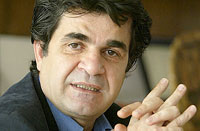
The reality is I have been kept from making films for the past five years and am now officially sentenced to be deprived of this right for another twenty years. But I know I will keep on turning my dreams into films in my imagination. I admit as a socially conscious filmmaker that I won’t be able to portray the daily problems and concerns of my people, but I won’t deny myself dreaming that after twenty years all the problems will be gone and I’ll be making films about the peace and prosperity in my country when I get a chance to do so again.
The reality is they have deprived me of thinking and writing for twenty years, but they can not keep me from dreaming that in twenty years inquisition and intimidation will be replaced by freedom and free thinking.
They have deprived me of seeing the world for twenty years. I hope that when I am free, I will be able to travel in a world without any geographic, ethnic, and ideological barriers, where people live together freely and peacefully regardless of their beliefs and convictions.
They have condemned me to twenty years of silence. Yet in my dreams, I scream for a time when we can tolerate each other, respect each other’s opinions, and live for each other.
Ultimately, the reality of my verdict is that I must spend six years in jail. I’ll live for the next six years hoping that my dreams will become reality. I wish my fellow filmmakers in every corner of the world would create such great films that by the time I leave the prison I will be inspired to continue to live in the world they have dreamed of in their films.
So from now on, and for the next twenty years, I’m forced to be silent. I’m forced not to be able to see, I’m forced not to be able to think, I’m forced not to be able to make films.
I submit to the reality of the captivity and the captors. I will look for the manifestation of my dreams in your films, hoping to find in them what I have been deprived of.
Thursday, 10 February 2011
The Jasmine Revolution was not a surprise.
The whole world is looking to the shake of regims in Middle East and in North Africa. First was Tunisia, now Egypt and likely the rest of the region will be soon reached by the same wind .
In all parlements of the EU there are talks about how the hurricane of change which started in Tunisia and is right now boiling in Egypt is forcing everybody to revise its approach towards these societies. This is politics.
In All televisions and all newspapers there are talk-shows and special programs about scoops and sensational events. This is media.
Both of them present the uprising of those two populations as a surprise.
Artits and specialists will gather and look at the phenonmenon from the point of view of art and culture.
Come and meet Tunisian intellectuals, Egyptians and Dutch in a special discussion around fragments of cinema, theater and music coming from two societies since years already in ebullition.
Basra, Ahmad Rashwan, Egypt/Syria, 2008
Starring : Basem Samra, Yara Goubran, Eyad Nassar, Nahed El Sebai, Mohamed Al Ahmady, Fatma Adel, Christine Soliman
How can an Egyptian photographer, in his thirties, surpass his own disappointments & fears? How can he find an answer to the existential questions related to life, death, sex and logic amidst his awareness of all the absurdity around him? Can this artist remain alive (breathing, thinking, and photographing) surviving the oppressive atmosphere?
Satan’s Angels, Ahmad Boulane, Marocco, 2007
Starring: Mansour Badri, Fahd Benchemsi, Rafik Boubker, Younès Megri, Driss Roukhe
Casablanca (Maroc), 2003. 14 young hard-rockers are arrested and condemned for sentences from 3 months to 1 year. What are the accusations? Satanism and shaking the foundations of Islam. They are charged with "upsetting the Muslim faith". The legal authorities give this trial an absurd dimension. The media and society are up in arms... Based on actual events.
Maiking of… Kamikaze, Nouri Bouzid, Tunisia, 2006
Starring : Lotfi Abdelli, Lotfi Dziri, Hanene ben Mahmoud, …
Bouzid is not very keen on religion but respects tradition. Like for the rest, he strives to defuse the criticism he anticipates even before it is voiced. By tackling terrorism from a more intimate and cultural rather than detective aspect, he offers Arabs both a self-examination and proposes an inversion of racist Western clichés.
Microphone, Ahmad Abdalla, Egypt, 2010
Starring : Khaled Abol Naga, Menna Shalabi, Yosra El Lozy
Khaled returns to Alexandria after many years of absence. By sheer coincidence, he meets some hip-hop singers on the sidewalk, rock musicians on the rooftops of ancient buildings and young people who paint shocking graffiti on the walls at night.
In all parlements of the EU there are talks about how the hurricane of change which started in Tunisia and is right now boiling in Egypt is forcing everybody to revise its approach towards these societies. This is politics.
In All televisions and all newspapers there are talk-shows and special programs about scoops and sensational events. This is media.
Both of them present the uprising of those two populations as a surprise.
Artits and specialists will gather and look at the phenonmenon from the point of view of art and culture.
Come and meet Tunisian intellectuals, Egyptians and Dutch in a special discussion around fragments of cinema, theater and music coming from two societies since years already in ebullition.
Basra, Ahmad Rashwan, Egypt/Syria, 2008
Starring : Basem Samra, Yara Goubran, Eyad Nassar, Nahed El Sebai, Mohamed Al Ahmady, Fatma Adel, Christine Soliman
How can an Egyptian photographer, in his thirties, surpass his own disappointments & fears? How can he find an answer to the existential questions related to life, death, sex and logic amidst his awareness of all the absurdity around him? Can this artist remain alive (breathing, thinking, and photographing) surviving the oppressive atmosphere?
Satan’s Angels, Ahmad Boulane, Marocco, 2007
Starring: Mansour Badri, Fahd Benchemsi, Rafik Boubker, Younès Megri, Driss Roukhe
Casablanca (Maroc), 2003. 14 young hard-rockers are arrested and condemned for sentences from 3 months to 1 year. What are the accusations? Satanism and shaking the foundations of Islam. They are charged with "upsetting the Muslim faith". The legal authorities give this trial an absurd dimension. The media and society are up in arms... Based on actual events.
Maiking of… Kamikaze, Nouri Bouzid, Tunisia, 2006
Starring : Lotfi Abdelli, Lotfi Dziri, Hanene ben Mahmoud, …
Bouzid is not very keen on religion but respects tradition. Like for the rest, he strives to defuse the criticism he anticipates even before it is voiced. By tackling terrorism from a more intimate and cultural rather than detective aspect, he offers Arabs both a self-examination and proposes an inversion of racist Western clichés.
Microphone, Ahmad Abdalla, Egypt, 2010
Starring : Khaled Abol Naga, Menna Shalabi, Yosra El Lozy
Khaled returns to Alexandria after many years of absence. By sheer coincidence, he meets some hip-hop singers on the sidewalk, rock musicians on the rooftops of ancient buildings and young people who paint shocking graffiti on the walls at night.
The art of revolution: Tunisia, Egypte, what's next ?
See the live streaming of the evening.
http://www.debalie.nl/live/live_2010.jsp
http://www.debalie.nl/live/live_2010.jsp
Wednesday, 9 February 2011
The evident ethic, Tunisian revolution; end of postcolonization.
One of the results of the Tunisian/Egyptian revolution and the boiling in other societies in the Middle East and in North Africa is that the world is forced to look in a different way to these populations and to rethink the global order. Perhaps !... This seems to be possible now because thanks to this eruption, the image of this region and the way it was represented is turned upside down. What changed really is that these societies stepped over two disabilities: the fear from the bloody repression of the dictatorship and the inability to represent itself. For a longtime populations in the region were represented; they were never given the possibility to represent themselves.
The World is “surprised” by the events in Tunisia and in Egypt. Few weeks ago, Tunisia was an example of political and social stability. The stability of the Egyptian society was guaranteed by the regime Mubarak. Although the rulers of the world already knew how things were going wrong. The main issue is then not information. Everything was already well known. Wikileaks revealed enough about this.
The two counties were very often reduced to holiday destinations. As a tourist one could not see or feel this deep suffocation. Obviously, the sunny beaches of the tourist zones and the circuits of souvenir shops in the narrow streets of the medina of Tunis or the old Cairo were far away from the poor and neglected small villages and cities of the countryside and the neighborhoods surrounding the big cities. There were the rumbling volcano’s that were about to erupt.
This is a very important moment in History. It doesn’t concern the region only. The whole world system is based on the way one part of it looks at the other. There was a moment when some people were considered like beasts. The civilized world used them as slaves. Then came another moment when they were seen as human beings but still not civilized enough. They needed to be protected, colonized. After what was called “de-colonization”, they needed to be helped via a world process of development. All this was nothing else but different forms of perverse and vicious tutorship. There was always a connection between the image one makes of the other, and the way it despoils it. The system consists of reducing the other to the situation of subaltern in order to control it: “They cannot represent themselves; they must be represented”, dixit Karl Marx talking about the labor class in the 19th century.
What is happening now is that the snake is biting its tail. The western world provides internet and all kinds of technologies to its accomplices regimes. It provides them also with the necessary programs to control their populations and to spy at users. The same technology which was sophistically developed in order to control the subaltern is used by this one to put the system upside down. And this worked well mainly because it gave the populations the possibility to make its own image and not let it made by others anymore as was the case for a long time. The Tunisian/Egyptian revolution is made possible thanks to the democratization of the image.
First, there was the failure of a policy based on an absolute priority given to security. Look at the debate in the French parliament about the suggestion, made by the foreign affairs minister, of helping the Tunisian police, the 1.5 Millard of US Dollar supplied to the Egyptian army by the USA on a yearly basis, the new Dutch mission in Afghanistan (Kunduz)… It is all about direct security measures.
The most important victory of the Tunisians and the Egyptians is that they could make their own image, they could represent themselves. Images exchanged on Facebook and other virtual social networks are important not only because they inform, they are important because they show Tunisian and Egyptian youth like they want to be seen. They could do it outside of the traditional circuit of imaginary: televisions, official discourses, Medias…
Clips on Facebook and YouTube representing the revolution are like reports from Vietnam in the sixties going beyond the official propaganda of the media or the US army at that time. They have the same effect like the images of Abu Ghraib after the war in Iraq. The importance of these images is that they serve as reverse shot or low-angle shot to official versions. By doing so, they put the Humanity in front of its ethic evidence .
The same thing can be sad about the work of Tunisian and Egyptian artists during these long years of oppression. Braving censorship, economic pressure, lack of freedom,… they have to fight from inside of a draconian bureaucratic system for any possibility to make their work feasible. Most of the time they have to make concessions, they have to face censorship commissions. Even though, talented artists could find their way through the very tight margins left by the monster.
While political analysts and medias present numbers and statistics to find arguments to describe what is happening, while journalist and columnists look for the right formulas to depict what was unimaginable few weeks ago, we look back and we find that some people were aware of the process that lead to this. Tunisian and Egyptian filmmakers, theater directors, musicians etc… were listening to the youth in their countries for years already, and trying to give them the voice they were denied.
The young people we see in the streets and the central squares of Tunis, Cairo and Alexandria are those you could see in the recent year’s cinema. Films by Nouri Bouzid, Fadhel Jaibi, Ahamad Abdalla, Ahamad Rashwan… witnessed the grumbling of the volcano before it erupted. Their films are a barometer of the pressure and the breathless atmosphere growing in their societies. Mostly it is about independent productions focusing on the suffocating atmosphere, the youth’s frustrating daily life due to the power of the police. Young people were prevented not only from their political and civil rights but also even from any possibility of entertainment and artistic creativity.
These artists were able to see what the World didn’t dare to see. It didn’t look, or didn’t want to look, at the suffering of these young people standing between the hammer of poverty and unemployment on the one hand and the anvil of the oppression and dictatorship that the western world validates and even supports. It didn’t want to see that the terrorism it is fighting is the product of its policy in the region and not the other way round. Poverty, frustration and marginalization of young people push them into the spiral of fundamentalism. The World created a monster in order to justify the policy of security.
The pragmatic status quo on the name of whatever works/as far as it works could not stand for ever. There is a simple reason for that: all pressure must lead to an explosion. What happened in these two countries (until now) was a result of a time bomb produced by the global policy based on security. The most sophisticated technology of surveillance and the biggest investment in security measures were not and will never be able to hold a population under eternal control.
The reaction of the Tunisian and Egyptian populations is not only against their political leaders, but also against a global postcolonial mechanism. It was boiling since years, artists witnessed this, and social networks accelerated it.
What happened in short is that Tunisian and Egyptian youngsters by making themselves seen, they jumped from being nothing, when nobody looked at them really, to stand as an All, because they challenged the whole global system and not only their rulers, to finally accept to be Something, because things are still going on and we know that they will not really have what they want.
Let me Remember the three words of Abbé Seyès at the beginning of the French Revolution concerning the Tiers Etat (one of the three components of the French parliament at that time in addition to the aristocracy and the Church): All, Nothing, Something. In a democracy what is the People? All, what was it until now in Tunisia and Egypt? Nothing. What will it be from now on? Something.
Meanwhile, everybody knows that many agencies are already working for a future in the region and a new way of dealing with these societies. The call for quick elections and peaceful transition as soon as possible is not in favor of a real change. This is not for tomorrow. Most likely we will have a new status quo for another cycle of twenty/ thirty years.
For the time being let’s keep an Eye on artists whose work will perhaps be more than useful at a long term.
Notes :
Karl Marx, The Eighteenth Brumaire of Louis Bonaparte
Nathalie ROELENS, « L'évidence des photos aériennes d'Auschwitz », Nouveaux Actes SémiotiquesAbbé Seyès In his famous pamphlet : Qu’est-ce que le tiers état, january 1789
The World is “surprised” by the events in Tunisia and in Egypt. Few weeks ago, Tunisia was an example of political and social stability. The stability of the Egyptian society was guaranteed by the regime Mubarak. Although the rulers of the world already knew how things were going wrong. The main issue is then not information. Everything was already well known. Wikileaks revealed enough about this.
The two counties were very often reduced to holiday destinations. As a tourist one could not see or feel this deep suffocation. Obviously, the sunny beaches of the tourist zones and the circuits of souvenir shops in the narrow streets of the medina of Tunis or the old Cairo were far away from the poor and neglected small villages and cities of the countryside and the neighborhoods surrounding the big cities. There were the rumbling volcano’s that were about to erupt.
This is a very important moment in History. It doesn’t concern the region only. The whole world system is based on the way one part of it looks at the other. There was a moment when some people were considered like beasts. The civilized world used them as slaves. Then came another moment when they were seen as human beings but still not civilized enough. They needed to be protected, colonized. After what was called “de-colonization”, they needed to be helped via a world process of development. All this was nothing else but different forms of perverse and vicious tutorship. There was always a connection between the image one makes of the other, and the way it despoils it. The system consists of reducing the other to the situation of subaltern in order to control it: “They cannot represent themselves; they must be represented”, dixit Karl Marx talking about the labor class in the 19th century.
What is happening now is that the snake is biting its tail. The western world provides internet and all kinds of technologies to its accomplices regimes. It provides them also with the necessary programs to control their populations and to spy at users. The same technology which was sophistically developed in order to control the subaltern is used by this one to put the system upside down. And this worked well mainly because it gave the populations the possibility to make its own image and not let it made by others anymore as was the case for a long time. The Tunisian/Egyptian revolution is made possible thanks to the democratization of the image.
First, there was the failure of a policy based on an absolute priority given to security. Look at the debate in the French parliament about the suggestion, made by the foreign affairs minister, of helping the Tunisian police, the 1.5 Millard of US Dollar supplied to the Egyptian army by the USA on a yearly basis, the new Dutch mission in Afghanistan (Kunduz)… It is all about direct security measures.
The most important victory of the Tunisians and the Egyptians is that they could make their own image, they could represent themselves. Images exchanged on Facebook and other virtual social networks are important not only because they inform, they are important because they show Tunisian and Egyptian youth like they want to be seen. They could do it outside of the traditional circuit of imaginary: televisions, official discourses, Medias…
Clips on Facebook and YouTube representing the revolution are like reports from Vietnam in the sixties going beyond the official propaganda of the media or the US army at that time. They have the same effect like the images of Abu Ghraib after the war in Iraq. The importance of these images is that they serve as reverse shot or low-angle shot to official versions. By doing so, they put the Humanity in front of its ethic evidence .
The same thing can be sad about the work of Tunisian and Egyptian artists during these long years of oppression. Braving censorship, economic pressure, lack of freedom,… they have to fight from inside of a draconian bureaucratic system for any possibility to make their work feasible. Most of the time they have to make concessions, they have to face censorship commissions. Even though, talented artists could find their way through the very tight margins left by the monster.
While political analysts and medias present numbers and statistics to find arguments to describe what is happening, while journalist and columnists look for the right formulas to depict what was unimaginable few weeks ago, we look back and we find that some people were aware of the process that lead to this. Tunisian and Egyptian filmmakers, theater directors, musicians etc… were listening to the youth in their countries for years already, and trying to give them the voice they were denied.
The young people we see in the streets and the central squares of Tunis, Cairo and Alexandria are those you could see in the recent year’s cinema. Films by Nouri Bouzid, Fadhel Jaibi, Ahamad Abdalla, Ahamad Rashwan… witnessed the grumbling of the volcano before it erupted. Their films are a barometer of the pressure and the breathless atmosphere growing in their societies. Mostly it is about independent productions focusing on the suffocating atmosphere, the youth’s frustrating daily life due to the power of the police. Young people were prevented not only from their political and civil rights but also even from any possibility of entertainment and artistic creativity.
These artists were able to see what the World didn’t dare to see. It didn’t look, or didn’t want to look, at the suffering of these young people standing between the hammer of poverty and unemployment on the one hand and the anvil of the oppression and dictatorship that the western world validates and even supports. It didn’t want to see that the terrorism it is fighting is the product of its policy in the region and not the other way round. Poverty, frustration and marginalization of young people push them into the spiral of fundamentalism. The World created a monster in order to justify the policy of security.
The pragmatic status quo on the name of whatever works/as far as it works could not stand for ever. There is a simple reason for that: all pressure must lead to an explosion. What happened in these two countries (until now) was a result of a time bomb produced by the global policy based on security. The most sophisticated technology of surveillance and the biggest investment in security measures were not and will never be able to hold a population under eternal control.
The reaction of the Tunisian and Egyptian populations is not only against their political leaders, but also against a global postcolonial mechanism. It was boiling since years, artists witnessed this, and social networks accelerated it.
What happened in short is that Tunisian and Egyptian youngsters by making themselves seen, they jumped from being nothing, when nobody looked at them really, to stand as an All, because they challenged the whole global system and not only their rulers, to finally accept to be Something, because things are still going on and we know that they will not really have what they want.
Let me Remember the three words of Abbé Seyès at the beginning of the French Revolution concerning the Tiers Etat (one of the three components of the French parliament at that time in addition to the aristocracy and the Church): All, Nothing, Something. In a democracy what is the People? All, what was it until now in Tunisia and Egypt? Nothing. What will it be from now on? Something.
Meanwhile, everybody knows that many agencies are already working for a future in the region and a new way of dealing with these societies. The call for quick elections and peaceful transition as soon as possible is not in favor of a real change. This is not for tomorrow. Most likely we will have a new status quo for another cycle of twenty/ thirty years.
For the time being let’s keep an Eye on artists whose work will perhaps be more than useful at a long term.
Notes :
Karl Marx, The Eighteenth Brumaire of Louis Bonaparte
Nathalie ROELENS, « L'évidence des photos aériennes d'Auschwitz », Nouveaux Actes SémiotiquesAbbé Seyès In his famous pamphlet : Qu’est-ce que le tiers état, january 1789
Sunday, 6 February 2011
L'Afrique coute que coute
 Il y a un an le Festival International du Film de Rotterdam a présenté un programme spécial consacré a l’Afrique ; Forget Africa. Outre les rétrospectives de doyens comme Mustapha Alassane et des films restaurés datant du début du siècle dernier, une sélection de films produits dans le cadre d’un atelier ont fait l’objet d’une section à part. Elle est le fruit d’une expérimentation invitant des réalisateurs internationaux à rencontrer des talents africains chez eux pour travailler ensemble. Cette année l'expérience a consisté à déplacer en Chine sept jeunes cinéastes africains invités pour tourner au «Pays du Dragon».
 L'expérience est dirigée par l’un des programmeurs du festival Ghertjan Zuilhof qui en est l’initiateur et le producteur. Il trouve en cela une manière de renverser le cour des choses. Lors de la première phase du programme, il avait constaté la forte présence des Chinois sur le continent noir. L'expérience devrait être facilement réalisable puisque beaucoup de cinéastes des deux parts , particulièrement les jeunes, sont habitués à travailler dans les mêmes conditions de production à petit budget.
Pendant le festival, et outre la programmation des films produit dans le cadre de cet atelier, une journée spéciale a été consacrée à l’Afrique sous le titre, assez cavalier, de Raiding Africa. Pendant une journée entière, le public a pu suivre un programme alternant projections de films et débats et aboutissant à une fête donnée en l’honneur des participants animée par une musique métisse hollando-éthiopienne. Outre les questions de curiosité, les débats ne sont jamais allés assez loin. Les films, faut-il l'avouer. sont d’une facture plutôt amateur. Ils manquent terriblement d'idée, une mise en scène très naïve et des sujets superficiels et clichés : Kung Fu, manger avec des baguettes, …
Le plus important cinématographiquement se passait ailleurs. Ibrahim Elbatout est venu présenter son nouveau né Hawi. Dans une section parallèle ou on retrouve aussi deux films sud-africains A Small Town called Descent de Jahmil Qubeka et Speak réalisé par un groupe de rap Yes ! That's us et coproduit par l'Uganda. Ces trois films, bien qu'ils soient des productions indépendantes viennent de deux pays ou la production est la plus importante sur le continent : l'Egypte avec son historique industrie de cinéma et de la télévision et l'Afrique du Sud avec son industrie émergente qui est en train de faire de l'ombre au reste du continent.
Ailleurs, plusieurs courts métrages dignes de tout respect sont éparpillés dans plusieurs sections. O Saloo azul de Luciano Hees (Mozambique) à titre d’exemple est une analyse sociale très subtile de la société à travers un montage parallèle de scènes où l'on voit des Dames dans un salon de coiffure et d’autres de femmes en plein travail. Subverses d'Ella Raidel (Autriche/Mozambique) est un autre film qui, avec China meets Africa des frère Francis (Royaume Uni), interroge la présence chinoise en Afrique. Est-ce une échappatoire au poids de la présence occidentale, ou bien une autre forme d'impérialisme sans âme conduit par les multinationales orientales ?
Toujours est-il qu'à Rotterdam cette année la présence Africaine reste respectable. Dans un festival ouvert aux nouveaux talents du Monde entier, il y a espoir de voir des jeunes africains émerger. Mais peut-être que plutôt que de vouloir les catalyser, leur laisser la possibilité d'évoluer par eux-mêmes en leur dotant d’un tout petit peu plus de moyens. Quand on voit la qualité relative des films produits dans le cadre du programme d’encadrement mené par trois festivals européens (Göteborg, Rotterdam et Milan) on se pose beaucoup de question quant à l'utilité de ce genre d'expérimentations. Les films d’inspiration locale sont nettement plus authentiques. Ce qui manque, reste encore les moyens de tout ordre mais sur place et pas besoin d’aller jusqu’en Chine.
Saturday, 5 February 2011
Friday, 4 February 2011
The Art of Revolution: Tunisia, Egypt, what's next?
 The world is surprised by the events in Tunisia. Until a few weeks ago, Tunisia was put as an example of political and economical stability by the western world. From outside, nobody could expect what is now known as the ‘Jasmine Revolution’. Although the rulers of the world already knew about how things were going wrong. A young Tunisian who burned himself – in the news presented as a fact – was the starting point of the uprising of the Tunisians against a dictatorship, a nondemocratic regime and a mafia. The fact is that the Tunisian people was living under a system of oppression which during more than twenty years left no room for freedom: no free press, no free internet, no real opposition, no independent NGO’s, no syndicate…
Numerous Tunisian films that used the space provided by the secular approach of the regime that were subversive towards the regime. In theatre, film and video artists at least tried to show something of the suffocating atmosphere. From that point of view Making off by Nouri Bouzid is an excellent example. The film shows the frustration of the Tunisian youth. It shows how young people have no liberty at all. The filmmaker quite guessed the explosion that the world witnesses today. And there were other young filmmakers who witnessed the suffocation of a nation. The last couple of years one could see a big number of independent short films made with local and small possibilities. A lot of these films were connected to the heavy oppression that the regime put on the Tunisian society but they were could not get abroad.
We also want to show video's from performances from Tunisian theatre that always has been very strong, like the plays by Fadel Jaibi, notably his Khamsoun, which was forbidden by the censorship for a while. Those by Toufik Jebali of El Teatro, the dance productions by Selma and Sofian Ouissi, could be also very pertinent.
For the Dutch – same as for all Europeans - Tunisia was mainly a holiday destination. As a tourist one could not see or feel this deep tension. Obviously, the sunny beaches of the tourist zones and the circuits of souvenir shops in the narrow streets of the medina were far away from the poor and neglected countryside and the popular neighborhoods of the big cities – the rumbling volcano’s that were about to erupt. Showing some of these works of art could be an invitation to the public to have a deeper look at what happened, and how artists in fact listened to what was happening in society.
Partly due to the urgency and partly due to financial considerations, we propose to give an impression of those theatre performances through video presentations and debates.
Contacts : Hassouna Mansouri
e-mail: mansourihassouna@yahoo.fr
Mobile: 0621877422
http://www.debalie.nl/artikel.jsp;jsessionid=AAE83A4FF5694DB16376DA580BF207F9?articleid=368493
The world is surprised by the events in Tunisia. Until a few weeks ago, Tunisia was put as an example of political and economical stability by the western world. From outside, nobody could expect what is now known as the ‘Jasmine Revolution’. Although the rulers of the world already knew about how things were going wrong. A young Tunisian who burned himself – in the news presented as a fact – was the starting point of the uprising of the Tunisians against a dictatorship, a nondemocratic regime and a mafia. The fact is that the Tunisian people was living under a system of oppression which during more than twenty years left no room for freedom: no free press, no free internet, no real opposition, no independent NGO’s, no syndicate…
Numerous Tunisian films that used the space provided by the secular approach of the regime that were subversive towards the regime. In theatre, film and video artists at least tried to show something of the suffocating atmosphere. From that point of view Making off by Nouri Bouzid is an excellent example. The film shows the frustration of the Tunisian youth. It shows how young people have no liberty at all. The filmmaker quite guessed the explosion that the world witnesses today. And there were other young filmmakers who witnessed the suffocation of a nation. The last couple of years one could see a big number of independent short films made with local and small possibilities. A lot of these films were connected to the heavy oppression that the regime put on the Tunisian society but they were could not get abroad.
We also want to show video's from performances from Tunisian theatre that always has been very strong, like the plays by Fadel Jaibi, notably his Khamsoun, which was forbidden by the censorship for a while. Those by Toufik Jebali of El Teatro, the dance productions by Selma and Sofian Ouissi, could be also very pertinent.
For the Dutch – same as for all Europeans - Tunisia was mainly a holiday destination. As a tourist one could not see or feel this deep tension. Obviously, the sunny beaches of the tourist zones and the circuits of souvenir shops in the narrow streets of the medina were far away from the poor and neglected countryside and the popular neighborhoods of the big cities – the rumbling volcano’s that were about to erupt. Showing some of these works of art could be an invitation to the public to have a deeper look at what happened, and how artists in fact listened to what was happening in society.
Partly due to the urgency and partly due to financial considerations, we propose to give an impression of those theatre performances through video presentations and debates.
Contacts : Hassouna Mansouri
e-mail: mansourihassouna@yahoo.fr
Mobile: 0621877422
http://www.debalie.nl/artikel.jsp;jsessionid=AAE83A4FF5694DB16376DA580BF207F9?articleid=368493
Thursday, 20 January 2011
Who are we ?

The overall objective of the association From the South are:
a. to contribute to the cultural dialogue between North and South;
b. to provide support to artists and journalists from the south (those living in Europe but also in their own countries;
c. to facilitate all kinds of contacts and networking between artists from the South and from Europe;
d. to help organizations from the south to develop projects (festivals, workshops, conferences,...) and all kinds of activities contributing to the promotion of artistic and cultural initiatives.
e. to promote cultural projects connected to economic development of societies of the South.
Means and activities
Article 3
To attain its objects, the association shall:
a. organize seminars and conferences to promote its objects and to exchange experience and expertise between professionals in cultural fields from Europe or / and from the South,
b. professionalize the artists by organizing workshops and meetings,
c. organize festivals and meeting to promote knowledge of cultural differences,
d. edit publications on different cultural specificities,
e. promote networks between artists and intellectuals from the South living in Europe,
f. work for better integration of artists and journalists in European contexts,
g. and take any further necessary actions to attain its objectives.
Wie Zijn We ?

Vanuit het Zuiden heeft tot doel:
1. Bij te dragen aan de culturele dialoog tussen Noordelijke en Zuidelijke landen;
2. Ondersteuning te bieden aan artiesten en journalisten uit Zuidelijke landen (ongeacht of zij in Europa of elders wonen);
3. Het faciliteren van onderlinge contacten tussen artiesten uit Zuidelijke landen en Europa;
4. Het ondersteunen van organisaties uit Zuidelijke landen met het ontwikkelen van projecten (festivals, workshops, conferenties) en alle voorkomende activiteiten die bijdragen aan de promotie van artistieke en culturele initiatieven;
5. Het promoten van culturele projecten die verbonden zijn met en/of bijdragen aan de economische ontwikkeling van Zuidelijke landen.
Teineinde haar doelen te bereiken zal de vereniging:
1. Seminars en conferenties organiseren om te stimuleren dat professionals uit de cuturele sector in Europa en Zuidelijke landen hun ervaringen en kennis met elkaar uitwisselen;
2. Workshops en ontmoetingen organiseren gericht op de versterking en professionalisering van artiesten;
3. Festivals en ontmoetingen organiseren om bewustwording van culturele verschillen op gang te brengen;
4. Schrijven en/of uitgeven van publicaties over diverse culturele issues;
5. Promoten van netwerken tussen artiesten en intellectuelen uit Zuidelijke landen die in Europa leven;
6. Zorgen voor een betere integratie van artiesten en journalisten in Europa;
7. en al het andere dat nodig is om haar doelen te bereiken.
Qui sommes-nous ?

Depuis le Sud est une organisation européenne installée à Amsterdam. Elle a été créé par un groupe d'intellectuels dans le but de faire Valloire l'apport des artistes et intellectuels non européens dans l'enrichissement des cultures européennes. A travers la mise en place d'un réseau impliquant les européens et les non européens vivant en Europe. Elle a pour but de promouvoir le dialogue entre les différentes cultures en Europe, le dialogue entre les cultures européennes et les autres cultures, former les jeunes à s'exprimer par l'image et par l'écrit dans l'optique de la tolérance et de l'acceptation de la différence comme source d’enrichissement.
L'Image confisquée
Écrire un livre sur le cinéma africain, tout comme faire un film en Afrique, est un acte dont le sens est d’emblée l’objet d’un grand point d’interrogation. Quel sens pourrait-il avoir dans un contexte où l’image se fait presque absente : une production indigente à un rythme de plus en plus ralenti, une distribution quasi-absente et un parc de salles réduit bientôt à zéro, une jeunesse sans appui structurel, sans points de repères et donc sans idées ? Lorsque le besoin premier s’exprime en termes de survie, lorsque les premières choses auxquelles on pense sont : se nourrir, se soigner, s’instruire…, investir dans l’Art, et sur tout dans un art aussi coûteux comme le cinéma, ou encore un art « inutile » comme l’écriture devient un luxe que les Africains ne peuvent ou ne doivent se permettre. Cela reste l’apanage du club des riches.
La cause du cinéma africain est-elle donc à ce point perdue ? L’existence de ce livre en soi devrait apporter quelques nuances. Les auteurs à qui le critique veut donner un peu de visibilité participent de cette résistance pour une image qui, si rien n’est fait, sera à jamais confisquée. En disparaissant, ce n’est pas seulement un continent qui sera tu, mais c’est le Monde entier qui sera amputé d’une partie de son imaginaire.
Titre : L’Image confisquée ; le cinéma du Sud ce Cinéma (de) subalterne.
Auteur : Hassouna Mansouri
Editeur : Depuis le Sud, Amsterdam (http://vanuithetzuiden.blogspot.com)
Année : 2010
ISBN : 978-90-9025819-5
Distributeur : Sillat Media, Amsterdam
www.sillatmedia.com
La cause du cinéma africain est-elle donc à ce point perdue ? L’existence de ce livre en soi devrait apporter quelques nuances. Les auteurs à qui le critique veut donner un peu de visibilité participent de cette résistance pour une image qui, si rien n’est fait, sera à jamais confisquée. En disparaissant, ce n’est pas seulement un continent qui sera tu, mais c’est le Monde entier qui sera amputé d’une partie de son imaginaire.
Titre : L’Image confisquée ; le cinéma du Sud ce Cinéma (de) subalterne.
Auteur : Hassouna Mansouri
Editeur : Depuis le Sud, Amsterdam (http://vanuithetzuiden.blogspot.com)
Année : 2010
ISBN : 978-90-9025819-5
Distributeur : Sillat Media, Amsterdam
www.sillatmedia.com
The Confiscated Image
Writing a book on African cinema, just like making a film in the Black Continent, is an act which sense is immediately subject to a big question mark. What meaning could it have in a context where the image is almost non-existent: indigent production with a more and more idle pace, a worse situation concerning distribution with the number of cinemas soon to be reduced to zero, a young generation of filmmakers without structural support, without points of reference and therefore with no ideas? When the primary need is expressed in terms of survival, when the first things one could think about, whenever it is about Africa, are still: food, health care, education... invest in art, especially in an art as expensive as film, or in a so "useless" art like writing becomes a luxury that Africans cannot or should not afford. That remains the prerogative of the rich clubs.
Is the cause of African cinema really wasted? The existence of this book in itself would make some adjustments and provide some nuances. The filmmakers to whom the critic wants to give some visibility are part of this fight for an image which, if nothing is done, would be confiscated forever. By disappearing, it is not only a continent that would be prohibited from the right to speak, but the whole world will lose a part of its imagination.
Title : L’Image confisquée: le cinéma du Sud, ce cinéma (de) subalterne
Author : Hassouna Mansouri
Publisher : From the South, Amsterdam (http://vanuithetzuiden.blogspot.com)
Year : 2010
ISBN : 978-90-9025819-5
Distributor : Sillat Media, Amsterdam
www.sillatmedia.com
Is the cause of African cinema really wasted? The existence of this book in itself would make some adjustments and provide some nuances. The filmmakers to whom the critic wants to give some visibility are part of this fight for an image which, if nothing is done, would be confiscated forever. By disappearing, it is not only a continent that would be prohibited from the right to speak, but the whole world will lose a part of its imagination.
Title : L’Image confisquée: le cinéma du Sud, ce cinéma (de) subalterne
Author : Hassouna Mansouri
Publisher : From the South, Amsterdam (http://vanuithetzuiden.blogspot.com)
Year : 2010
ISBN : 978-90-9025819-5
Distributor : Sillat Media, Amsterdam
www.sillatmedia.com
Het geconfisqueerde beeld, Amsterdam, oktober 2010

Het schrijven van een boek over de Afrikaanse cinema, net als het maken van een film in het zwarte continent, is een handeling waarvan de zin onmiddellijk een groot vraagteken oproept. Wat voor zin heeft het in een context waar beeld vrijwel non-existent is: behoeftige productie met een meer en meer stationair tempo, een slechtere situatie aangaande distributie met het aantal bioscopen al snel gereduceerd tot nul, een jonge generatie filmmakers zonder structurele steun, zonder aanknopingspunten en dus zonder ideeën? Wanneer de primaire behoefte in termen van overleving worden uitgedrukt, als de eerste dingen waarover men zou kunnen denken, wanneer het over Afrika gaat, nog steeds zijn: voedsel, gezondheidszorg, onderwijs... wordt investeren in kunst, met name in een kunst zo duur als film, of in een zo ‘nutteloze’ kunst als het schrijven, een luxe die Afrikanen zich niet kunnen of niet mogen veroorloven. Dat blijft een privilege van de rijke clubs.
Is dan het bestaansrecht van de Afrikaanse cinema echt verspild? Het bestaan van dit boek op zichzelf zou enkele aanpassingen en nuances kunnen bieden. De filmmakers aan wie de criticus meer zichtbaarheid wil geven, maken deel uit van dit gevecht voor een beeld dat, als er niets wordt gedaan, voor altijd in beslag zal worden genomen. Door het verdwijnen van het beeld, is het niet alleen een continent dat het recht van spreken wordt ontnomen, maar zal de hele wereld een deel van zijn verbeelding verliezen.
Oorspronkelijk titel: L'Image confisquée: le cinéma du Sud, ce cinéma (de) subalterne
Auteur : Hassouna Mansouri
Uitgever : Vanuit het Zuiden, Amsterdam (http://vanuithetzuiden.blogspot.com)
Jaar : 2010
ISBN : 978-90-9025819-5
Distributeur : Sillat Media, Amsterdam
www.sillatmedia.com
Tuesday, 21 December 2010
Culture also worth it, isn't it ?

As you all have heard by now, Jafar Panahi has been convicted to six years in prison in his native country, Iran. The sentence extended by the additional punishment of being banned from directing or producing film, writing scripts, interviewing with media or traveling abroad for the next twenty years. Fellow filmmaker Muhammad Rasoulof also received a six-year sentence.
This is a virtual execution of an artist whose work has been social memory of a nation long suffering from a marked cultural tendency to suppress or repress the social history. Panahi and his films are the witness of a critical time. a witness to the power of art in developing countries and under censureship. And of course there is a sacrificial economy involved in whatever activity one does to resist the hegemony of the dominant power. Wrote Alireza Khatami on facebook
The Western World thinks only about the nuclear energy/weapon of Iran. USA and his friends act only when it is about their economical strategic interest. Let’ s push them to look also a little bit to cultural and human rights aspects. The case of Jafar Panahi and Muhammad Rasoulof must be put on the table of any discussions with the Iranian regime about any other issues like nuclear, oil, economy, politic... Culture also worth it, isn’t it ?
Sunday, 5 December 2010
Homeland by George Sluizer

A vitriolic new documentary from the director of "The Vanishing" revisits the Israel/Palestine conflict.Posted 10/21/2010 500 AM by Alison Willmore
Dutch filmmaker George Sluizer made a trilogy of documentaries entitled "Land of the Fathers" that followed two Palestinian families through their experiences in 1974, 1978 and 1983 -- the last, "Adios Beirut," he mentioned was sold to PBS but never broadcast. With "Homeland," one of the films making its world premiere at Abu Dhabi, Sluizer revisits those two families, now spread out over Lebanon, Colombia, the U.A.E. and other locations, and also puts himself and his feelings about the Israeli-Palestinian conflict center stage.
Sluizer will present his film on saturday december 11th in Tunis - Tunisia
He is invited by the Dutch Embassy in Tunis
The European organization Vanuit het Zuiden
The tunisian Association of Court Métrage et du Documentaire
Friday, 26 November 2010
IDFA, une édition engagée
Le rideau est levé sur la 23ème édition du IDFA, le festival le plus important au monde dédié au documentaire. Cette année l’évènement se tient dans une atmosphère très particulière sous le poids de la politique et des conséquences de la crise économique qui pèsent encore sur la culture et plus particulièrement sur le cinéma. Cependant, la richesse des sujets et l’affluence des spectateurs et des professionnels venus des quatre coins du monde n’a pas manqué au rendez-vous.
Dès le coup d’envoie, la couleur a été annoncée. L’édition 2010 du festival international du documentaire d’Amsterdam s’est placée sous le signe de la résistance des artistes contre les politiques. Partout en Europe, les gouvernements ne jurent que par les coupes budgétaires qui visent directement et en premier temps les institutions et les projets culturels. Les artistes répliquent en manifestant dans les rues et ne manque une occasion publique pour dénoncer ces mesures contre l’art et la culture au profit des finances et des affaires.
Les organisateurs de l’IDFA se sont inscrits dans cette même mouvance et ont lancé le “ruban doré” comme signe de contestation contre les coupes budgétaires culturelles. Dès l’ouverture une invitation fut lancée aux festivaliers de se rendre à un rassemblement public devant le plus grand théâtre des Pays-Bas à Amsterdam. Dimanche sur la place il y a eu plus de 700 mille manifestants contre la politique libérale qui a pris les reines du pouvoir depuis les dernières élections.
Cet activisme n’est pas étrange au festival. Le documentaire est un genre essentiellement engagé. Il est presque naturel que le festival qui lui est dédié donne l’exemple dans la défense de la culture. L’engagement se voit aussi dans la variété et la pertinence des sujets traités. Là encore le signe est donné dès le premier jour. Le public pouvait voir des films venant des pays les plus exposés à aux catastrophes les plus terribles: les génocides au Rwanda, la guerre civile au Congo, l’impasse du Sahara Occidental, les bidonvilles de l’Afrique du Sud, la vie en Afghanistan, un pays ou règne le chaos,…
Tant de films viennent accompagner le film d’ouverture, Place au milieu des étoiles du hollandais Leonard Retel Helmrich. Dans ce troisième volet de sa trilogie le documentariste continue d’explorer la vie des petites gens dans les bas fonds de Jakarta (Indonésie). On dirait qu’un mot d’ordre réunissait tous les documentaristes participant à cette édition toutes sections confondues. Tous partent à la recherche de ce qui pourrait encore relever de l’humain au sens profond du terme. Et tous semblent s’ériger contre une force impitoyable et indescriptible qui cherche à vider le monde de toute son âme et de ses valeurs fondamentales.
Dans ce sens ce festival se présente comme un rempart de culture et d’humanisme qui sont souvent une monnaie qui n’a plus de change de nos jours.
Dès le coup d’envoie, la couleur a été annoncée. L’édition 2010 du festival international du documentaire d’Amsterdam s’est placée sous le signe de la résistance des artistes contre les politiques. Partout en Europe, les gouvernements ne jurent que par les coupes budgétaires qui visent directement et en premier temps les institutions et les projets culturels. Les artistes répliquent en manifestant dans les rues et ne manque une occasion publique pour dénoncer ces mesures contre l’art et la culture au profit des finances et des affaires.
Les organisateurs de l’IDFA se sont inscrits dans cette même mouvance et ont lancé le “ruban doré” comme signe de contestation contre les coupes budgétaires culturelles. Dès l’ouverture une invitation fut lancée aux festivaliers de se rendre à un rassemblement public devant le plus grand théâtre des Pays-Bas à Amsterdam. Dimanche sur la place il y a eu plus de 700 mille manifestants contre la politique libérale qui a pris les reines du pouvoir depuis les dernières élections.
Cet activisme n’est pas étrange au festival. Le documentaire est un genre essentiellement engagé. Il est presque naturel que le festival qui lui est dédié donne l’exemple dans la défense de la culture. L’engagement se voit aussi dans la variété et la pertinence des sujets traités. Là encore le signe est donné dès le premier jour. Le public pouvait voir des films venant des pays les plus exposés à aux catastrophes les plus terribles: les génocides au Rwanda, la guerre civile au Congo, l’impasse du Sahara Occidental, les bidonvilles de l’Afrique du Sud, la vie en Afghanistan, un pays ou règne le chaos,…
Tant de films viennent accompagner le film d’ouverture, Place au milieu des étoiles du hollandais Leonard Retel Helmrich. Dans ce troisième volet de sa trilogie le documentariste continue d’explorer la vie des petites gens dans les bas fonds de Jakarta (Indonésie). On dirait qu’un mot d’ordre réunissait tous les documentaristes participant à cette édition toutes sections confondues. Tous partent à la recherche de ce qui pourrait encore relever de l’humain au sens profond du terme. Et tous semblent s’ériger contre une force impitoyable et indescriptible qui cherche à vider le monde de toute son âme et de ses valeurs fondamentales.
Dans ce sens ce festival se présente comme un rempart de culture et d’humanisme qui sont souvent une monnaie qui n’a plus de change de nos jours.
La critique de cinéma, cet acte de résistance.
Elle est certes, et tout simplement, magistrale l’intervention toute récente de Jean-Michel Frodon au sujet de la critique de cinéma. Dans un article paru sur www.slate.fr il revenait sur les discussions qui ont lieu un peu partout au sujet de la situation de la critique de cinéma. Après avoir démontre qu’il s’agit dans l’ensemble d’un faux débat, il rappelle le fondement de l’acte critique comme participant essentiellement d’un effort de créativité. Il n’en reste pas moins vrai que cet article a le défaut qu’ont toutes les grandes réflexions à portée universelle ; celui de manquer un peu de nuance.
Dans cet article d’une clarté impressionnante le critique français fait en effet une mise au point extrêmement lucide sur l’état de la critique et présente une synthèse des discussions qui ont lieu depuis quelques temps sur le danger qu’elle courrait. Partant d’un jeu de mots comme il a l’habitude de faire, le critique français met le doigt sur une question fondamentale, ou plutôt un contre-sens très fréquent, celui de l’utilité de la critique comme pratique. Le titre de l’article, sous la forme interrogative « A quoi sert la critique de cinéma ? », est en fait a prendre avec beaucoup de précaution. En fait le fond de l’article est de remettre en question cette idée faussement évidente que la critique est une activité pragmatique, en tout cas elle ne le serait pas du tout en termes concrets.
Dans la première partie du texte, le critique démonte le mécanisme par lequel la critique est ramenée a une pratique au service de quelque chose d’autre qu’elle-même. Il en dénombre nommément quatre domaines ; celui du marché et du commerce, celui des loisir et de l’Entertainment, celui de la presse et de l’information et celui de la recherche et de l’enseignement. Quatre domaines ou la critique est utilisée, voire asservie a des fins qui la dépassent. Cela ne veut pas dire pour autant qu’elle sujette a des pratiques condamnables. Sinon ce serait trop facile.
Nulle doute que le monsieur a raison et que l’analyse qu’il fait est d’une pertinence évidente, ou presque. Plus encore, il admet que cette exploitation de la critique est bénéfique pour le cinéma. Il n’hésite pas a défendre la dimension nécessairement lucrative du cinéma : « Soyons clairs, écrit-il, l’objectif de tous ces gens est légitime, ils défendent leurs intérêts, et si on aime le cinéma, on souhaite que ce soit aussi un secteur prospère…. ». En cela il reste un parfait disciple de Max Ophuls qui regrettait que le cinéma soit une industrie et dire qu’il aurait pu être un art.
Poussant plus loin la réflexion, l’auteur de l’article met le doigt sur le rôle fondamentale et plus profond encore de la critique dans le développement de ce que nous pourrions appeler la « culture de l’image ». A ce titre il s’élève contre l’idée très fausse qu’internet constitue une menace quelconque pour la critique. Car selon lui, « … et c’est le plus important, la critique construit un environnement autour des films. » Cet environnement est social lorsqu’ il s’agit des loisirs. Il a trait a l’information et a la communication au sens technique des que le journalisme s’en empare. Il est enfin académique et cognitif a partir du moment ou il fait partie des programme de formation et / ou de recherche scientifique.
Il y a cependant un « Mais ». S’il est vrai que les différentes « utilisations » de la critique et/ou du cinéma sont légitimes, Il y a tout de même une ligne rouge : tout sauf la marchandisation ou la marginalisation du film. Le pire est cette approche qui réduirait « … les films à une seule de leur fonction, celle de produits de consommation …». L’autre approche qui n’en est pas moins condamnable est de faire du film « … une pièce d’un dossier (sur la pollution, le malaise des adolescents, un épisode de la guerre) ou comme symptôme de l’inconscient sociétal.» comme font les journalistes. L’autre enfin est celle de considérer les films comme une matière a étudier (dans la perspective académique tout est sujet de savoir) sans prendre en considération la spécificité du cinéma comme art.
Justement, la critique devrait avoir comme cheval de bataille la défense de cette dimension : un film est d’ abord une œuvre d’art. Pour cela le critique français revient à l’origine de la critique comme acte intellectuel, et nécessairement français. Il ‘évoque en effet les deux père de la critique d’art : Diderot et Baudelaire pour rappeler l’idée fondamentale que : « La critique est une activité fondée sur le fait qu’elle concerne un type d’objets particulier, qui appartient à la catégorie des œuvres d’art.».
Une affirmation aussi catégorique n’est pas exempte de doute. La définition de ce qu’est une œuvre d’art reste d’un complexité telle que seule le concept d’ouverture emprunte au sémiologue italien Umberto Eco, est capable d’être d’un certain secours théorique. Le concept d’ouverture vient répondre au souci de résister à toute tentation de réduire le film a quelque chose qui lui est extérieure. Le critique doit avoir une approche exponentielle du film dans le sens ou, au lieu de limiter sa signification doit éviter de la démystifier, et par contre, l’enrichir en respectant son ouverture et son mystère. En un mot, le critique ne doit pas chercher a donner un sens a l’œuvre mais a s’inscrire dans un processus de collaboration lui permettant de tendre vers non pas vers le sens d’ une œuvre mais vers « La promesse d’une œuvre».
Tout ceci est cohérent. Monsieur Frodon reste un critique de renommée internationale, et il reste surtout français. L’argumentation qu’il propose est valable pour d’ abord pour le contexte français. Elle est aussi valable pour le monde entier. Mais quel monde ? Celui ou il y a du cinéma, celui ou le film a une vie comme elle se doit. La critique a laquelle il réfère est celle qui est pratiquée dans un contexte « normal ». Or, la norme quand il s’agit de l’environnement culturel dans lequel un film peut être produit et consomme n’est en fin de compte que celle du Nord.
La réflexion du critique français est universelle. Elle a donc ce défaut, nécessaire à toute réflexion universelle, de ne pas verser dans la considération de certaine nuance. Jean-Michel Frodon, critique français ne peut réfléchir en dehors du contexte de sa société, du contexte économique et culturel dans lequel il évolue. Dans ce sens on pourrait lui reprocher un certain égocentrisme, ou eurocentrisme.
Du reste, la pertinence de sa réflexion est tel qu’elle pourrait se détacher de tout contexte mais cela reste très relatif. L’idée qu’il développe s’appliquerait bien à un contexte effectif ou le film a une vie « normale ». Elle pourrait s’appliquer aussi à un monde potentiel ou le film aurait cette vie qui permettrait à une activité critique d’exister et de se développer.
Ce que cette réflexion n’envisage pas c’est un monde ou le film n’a pas cette vitalité nécessaire pour qu’une critique existe ait un rôle quelconque. Comment un critique africain ou arabe pourrait s’inscrire dans cette posture d’ouverture sur « La promesse d’une œuvre ». Ce concept suppose une œuvre qui existerait déjà et à travers laquelle le critique en intellectuel nourrit une attente. Nous sommes dans un contexte amputé de cette condition d’existence de l’attente meme. Ne sommes-nous pas dans un contexte ou tout effort de distinction entre ce qui est de l’art et ce qui n’en est pas n’a aucun sens.
La perspective exponentielle dont on parlait plus haut, en fonction de laquelle le critique participe de l’enrichissement de l’œuvre, ne peut avoir de sens que dans un environnement culturel propice. De même, le principe de la distinction de cet objet culturel particulier de la somme des produits de consommation, ne peut exister que dans un monde ou la production de ces deux types de produits est possible. Or, nos cinématographies, dites du Sud, sont dans une indigence telle que la question de toute distinction devient absurde et secondaire par rapport à celle plus primordiale de l’existence en soi.
La question se poserait donc pour la critique elle-même. Son existence est organiquement tributaire de celle de la matière a laquelle elle s’applique. Exception faite de quelques sociétés (Egypte, Inde, Nigeria, Afrique du Sud, et relativement le Maroc) ou la production est existante en quantité nécessaire pour offrir des conditions d’existence suffisantes pour qu’une pratique de la critique soit possible, la possibilité d’acte intellectuel tel qu’il est décrit par Jean-Michel Frodon reste de l’ordre du fantasme ou de la schizophrénie.
Face a cette indigence, le critique est condamné a se projeté dans un monde qui n’en est pas un ou qui est une pure construction complexe faite d’un ensemble flou de frustration et de tension. Ses films sont si fragiles ou du moins si peu nombreux que le mécanisme de comparaison nécessaire à la pratique saine de la critique est faussé ou impossible. Face a ce vide, a ce manque d’appuie mental et intellectuel, le critique se refugie dans une image « autre » faite par/et dans des sociétés lointaines. Dans les deux cas, il se projette dans un monde qui n’est pas le sien. De fait il est pris entre deux vides. Mais de cela, monsieur Jean-Michel Frodon ne dit pas un clou.
Est-ce autant pour dire que sous nos cieux la critique est condamnée ? Contrairement a la tendance générale qui estime que le développement des medias et des nouvelles technologie de la communication constitue une menace sérieuse pour la critique de cinéma, l’idée de Frodon est que la critique a plus que jamais sa place et son rôle. Et cela n’est pas applicable à un monde sans l’être au reste de l’univers. La critique de cinéma est un acte de résistance par lequel l’Art est défendu contre le progrès technologique corrupteur et contre les effets néfastes de la géo-économie qui pèse de tout son poids sur les sociétés les plus fragiles menaçant de les priver du moindre droit a la pensée.
Dans cet article d’une clarté impressionnante le critique français fait en effet une mise au point extrêmement lucide sur l’état de la critique et présente une synthèse des discussions qui ont lieu depuis quelques temps sur le danger qu’elle courrait. Partant d’un jeu de mots comme il a l’habitude de faire, le critique français met le doigt sur une question fondamentale, ou plutôt un contre-sens très fréquent, celui de l’utilité de la critique comme pratique. Le titre de l’article, sous la forme interrogative « A quoi sert la critique de cinéma ? », est en fait a prendre avec beaucoup de précaution. En fait le fond de l’article est de remettre en question cette idée faussement évidente que la critique est une activité pragmatique, en tout cas elle ne le serait pas du tout en termes concrets.
Dans la première partie du texte, le critique démonte le mécanisme par lequel la critique est ramenée a une pratique au service de quelque chose d’autre qu’elle-même. Il en dénombre nommément quatre domaines ; celui du marché et du commerce, celui des loisir et de l’Entertainment, celui de la presse et de l’information et celui de la recherche et de l’enseignement. Quatre domaines ou la critique est utilisée, voire asservie a des fins qui la dépassent. Cela ne veut pas dire pour autant qu’elle sujette a des pratiques condamnables. Sinon ce serait trop facile.
Nulle doute que le monsieur a raison et que l’analyse qu’il fait est d’une pertinence évidente, ou presque. Plus encore, il admet que cette exploitation de la critique est bénéfique pour le cinéma. Il n’hésite pas a défendre la dimension nécessairement lucrative du cinéma : « Soyons clairs, écrit-il, l’objectif de tous ces gens est légitime, ils défendent leurs intérêts, et si on aime le cinéma, on souhaite que ce soit aussi un secteur prospère…. ». En cela il reste un parfait disciple de Max Ophuls qui regrettait que le cinéma soit une industrie et dire qu’il aurait pu être un art.
Poussant plus loin la réflexion, l’auteur de l’article met le doigt sur le rôle fondamentale et plus profond encore de la critique dans le développement de ce que nous pourrions appeler la « culture de l’image ». A ce titre il s’élève contre l’idée très fausse qu’internet constitue une menace quelconque pour la critique. Car selon lui, « … et c’est le plus important, la critique construit un environnement autour des films. » Cet environnement est social lorsqu’ il s’agit des loisirs. Il a trait a l’information et a la communication au sens technique des que le journalisme s’en empare. Il est enfin académique et cognitif a partir du moment ou il fait partie des programme de formation et / ou de recherche scientifique.
Il y a cependant un « Mais ». S’il est vrai que les différentes « utilisations » de la critique et/ou du cinéma sont légitimes, Il y a tout de même une ligne rouge : tout sauf la marchandisation ou la marginalisation du film. Le pire est cette approche qui réduirait « … les films à une seule de leur fonction, celle de produits de consommation …». L’autre approche qui n’en est pas moins condamnable est de faire du film « … une pièce d’un dossier (sur la pollution, le malaise des adolescents, un épisode de la guerre) ou comme symptôme de l’inconscient sociétal.» comme font les journalistes. L’autre enfin est celle de considérer les films comme une matière a étudier (dans la perspective académique tout est sujet de savoir) sans prendre en considération la spécificité du cinéma comme art.
Justement, la critique devrait avoir comme cheval de bataille la défense de cette dimension : un film est d’ abord une œuvre d’art. Pour cela le critique français revient à l’origine de la critique comme acte intellectuel, et nécessairement français. Il ‘évoque en effet les deux père de la critique d’art : Diderot et Baudelaire pour rappeler l’idée fondamentale que : « La critique est une activité fondée sur le fait qu’elle concerne un type d’objets particulier, qui appartient à la catégorie des œuvres d’art.».
Une affirmation aussi catégorique n’est pas exempte de doute. La définition de ce qu’est une œuvre d’art reste d’un complexité telle que seule le concept d’ouverture emprunte au sémiologue italien Umberto Eco, est capable d’être d’un certain secours théorique. Le concept d’ouverture vient répondre au souci de résister à toute tentation de réduire le film a quelque chose qui lui est extérieure. Le critique doit avoir une approche exponentielle du film dans le sens ou, au lieu de limiter sa signification doit éviter de la démystifier, et par contre, l’enrichir en respectant son ouverture et son mystère. En un mot, le critique ne doit pas chercher a donner un sens a l’œuvre mais a s’inscrire dans un processus de collaboration lui permettant de tendre vers non pas vers le sens d’ une œuvre mais vers « La promesse d’une œuvre».
Tout ceci est cohérent. Monsieur Frodon reste un critique de renommée internationale, et il reste surtout français. L’argumentation qu’il propose est valable pour d’ abord pour le contexte français. Elle est aussi valable pour le monde entier. Mais quel monde ? Celui ou il y a du cinéma, celui ou le film a une vie comme elle se doit. La critique a laquelle il réfère est celle qui est pratiquée dans un contexte « normal ». Or, la norme quand il s’agit de l’environnement culturel dans lequel un film peut être produit et consomme n’est en fin de compte que celle du Nord.
La réflexion du critique français est universelle. Elle a donc ce défaut, nécessaire à toute réflexion universelle, de ne pas verser dans la considération de certaine nuance. Jean-Michel Frodon, critique français ne peut réfléchir en dehors du contexte de sa société, du contexte économique et culturel dans lequel il évolue. Dans ce sens on pourrait lui reprocher un certain égocentrisme, ou eurocentrisme.
Du reste, la pertinence de sa réflexion est tel qu’elle pourrait se détacher de tout contexte mais cela reste très relatif. L’idée qu’il développe s’appliquerait bien à un contexte effectif ou le film a une vie « normale ». Elle pourrait s’appliquer aussi à un monde potentiel ou le film aurait cette vie qui permettrait à une activité critique d’exister et de se développer.
Ce que cette réflexion n’envisage pas c’est un monde ou le film n’a pas cette vitalité nécessaire pour qu’une critique existe ait un rôle quelconque. Comment un critique africain ou arabe pourrait s’inscrire dans cette posture d’ouverture sur « La promesse d’une œuvre ». Ce concept suppose une œuvre qui existerait déjà et à travers laquelle le critique en intellectuel nourrit une attente. Nous sommes dans un contexte amputé de cette condition d’existence de l’attente meme. Ne sommes-nous pas dans un contexte ou tout effort de distinction entre ce qui est de l’art et ce qui n’en est pas n’a aucun sens.
La perspective exponentielle dont on parlait plus haut, en fonction de laquelle le critique participe de l’enrichissement de l’œuvre, ne peut avoir de sens que dans un environnement culturel propice. De même, le principe de la distinction de cet objet culturel particulier de la somme des produits de consommation, ne peut exister que dans un monde ou la production de ces deux types de produits est possible. Or, nos cinématographies, dites du Sud, sont dans une indigence telle que la question de toute distinction devient absurde et secondaire par rapport à celle plus primordiale de l’existence en soi.
La question se poserait donc pour la critique elle-même. Son existence est organiquement tributaire de celle de la matière a laquelle elle s’applique. Exception faite de quelques sociétés (Egypte, Inde, Nigeria, Afrique du Sud, et relativement le Maroc) ou la production est existante en quantité nécessaire pour offrir des conditions d’existence suffisantes pour qu’une pratique de la critique soit possible, la possibilité d’acte intellectuel tel qu’il est décrit par Jean-Michel Frodon reste de l’ordre du fantasme ou de la schizophrénie.
Face a cette indigence, le critique est condamné a se projeté dans un monde qui n’en est pas un ou qui est une pure construction complexe faite d’un ensemble flou de frustration et de tension. Ses films sont si fragiles ou du moins si peu nombreux que le mécanisme de comparaison nécessaire à la pratique saine de la critique est faussé ou impossible. Face a ce vide, a ce manque d’appuie mental et intellectuel, le critique se refugie dans une image « autre » faite par/et dans des sociétés lointaines. Dans les deux cas, il se projette dans un monde qui n’est pas le sien. De fait il est pris entre deux vides. Mais de cela, monsieur Jean-Michel Frodon ne dit pas un clou.
Est-ce autant pour dire que sous nos cieux la critique est condamnée ? Contrairement a la tendance générale qui estime que le développement des medias et des nouvelles technologie de la communication constitue une menace sérieuse pour la critique de cinéma, l’idée de Frodon est que la critique a plus que jamais sa place et son rôle. Et cela n’est pas applicable à un monde sans l’être au reste de l’univers. La critique de cinéma est un acte de résistance par lequel l’Art est défendu contre le progrès technologique corrupteur et contre les effets néfastes de la géo-économie qui pèse de tout son poids sur les sociétés les plus fragiles menaçant de les priver du moindre droit a la pensée.
Subscribe to:
Posts (Atom)